When someone asks us which place has been our favorite so far we pause for a moment since there is so much to pick from. In the first 11 months of our full-time travels we have covered over 27,000 miles, been to 35 states and visited 12 national parks. However, since April our answer has remained the same, the coast of C.O.W. – California, Oregon and Washington.

We have been to the Pacific Coast before but not between San Francisco and the Olympic Peninsula. The wonders that awaited us went beyond our high expectations. Not only was the scenery incredible but there were also many historical and cultural elements to experience as we traveled up U.S. Highway 101 from north of Eureka, California 500 miles up to near Aberdeen, Washington before turning inland.
Our first coastal stay was at Kamp Klamath, along the Klamath River, near Klamath, California. It was a delightful campground and they were nice to reassign us to a site that wasn’t soggy from recent rain. Best of all it was close to Redwoods National Park. The official name is Redwoods National and State Parks which was confusing because it sounds like some areas are national park and others are state park but it’s the same land managed jointly.
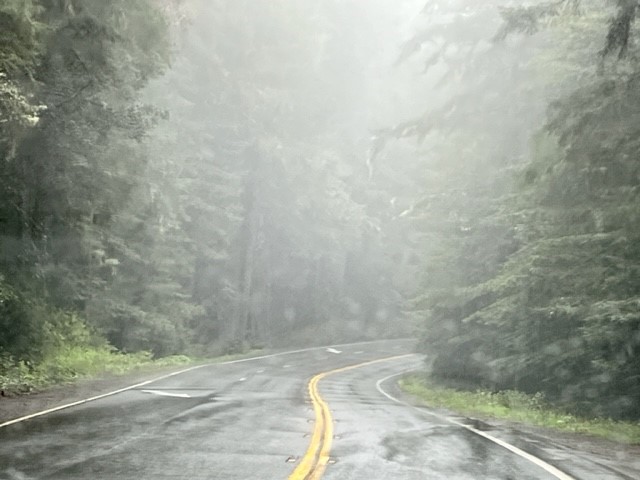
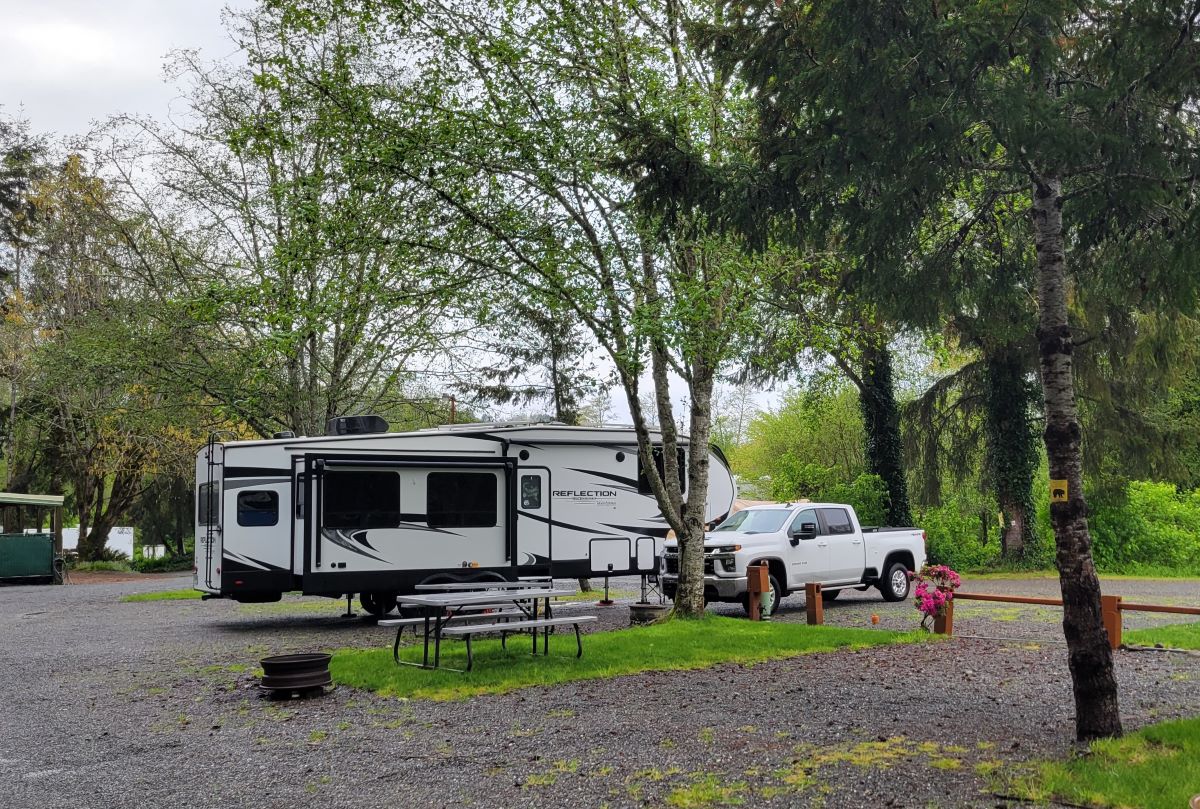
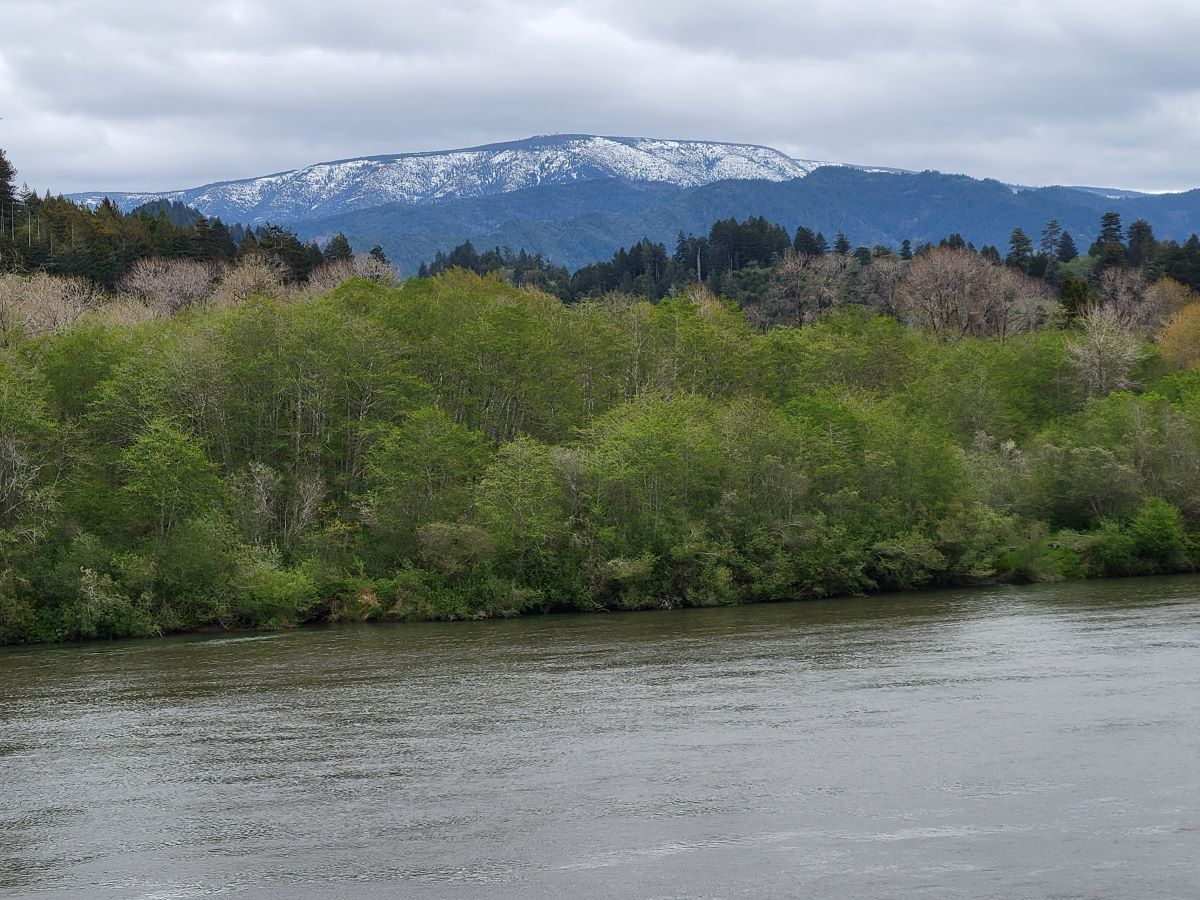
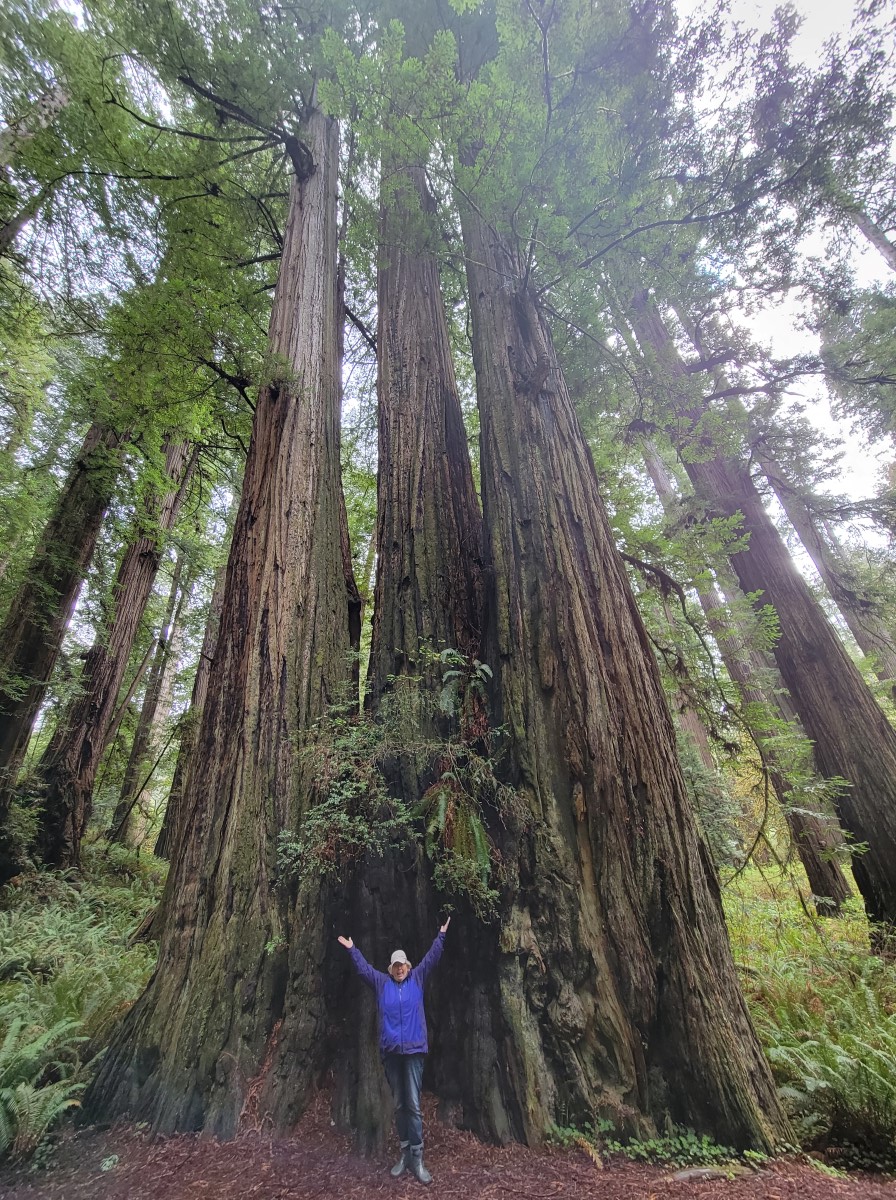
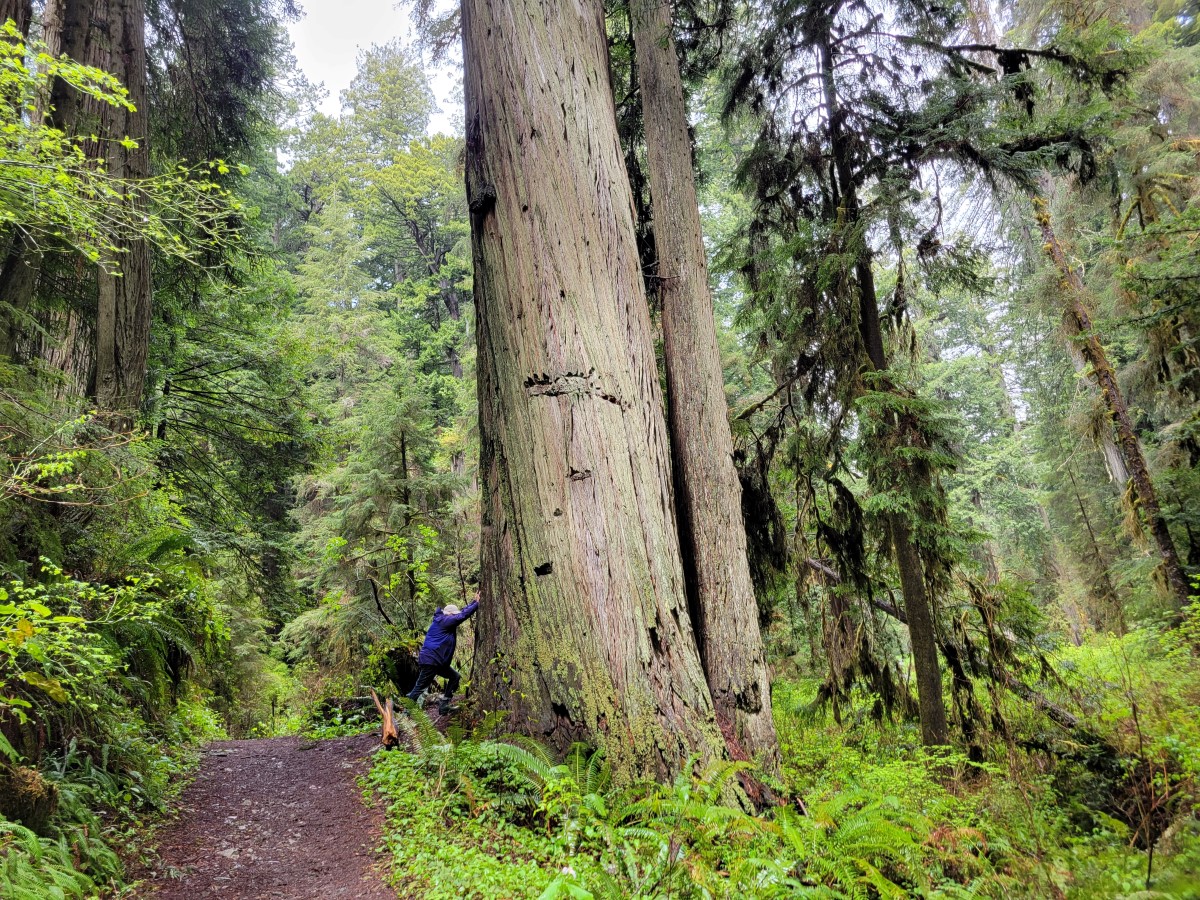
101 goes through the park which provided us with a sample of its beauty and we were looking forward to driving Newton B. Drury Scenic Parkway through the heart of the southern section of the park. That had to wait however since on the first day of our visit the road was closed due to high winds and the danger of large limbs falling on the road, which had happened a couple weeks earlier. A ranger at the Prairie Creek Visitor Center directed us to Cal-Barrel Road, a seasonally closed road we could hike that day that not only brought us into the redwoods but also allowed Scout to hike with us.
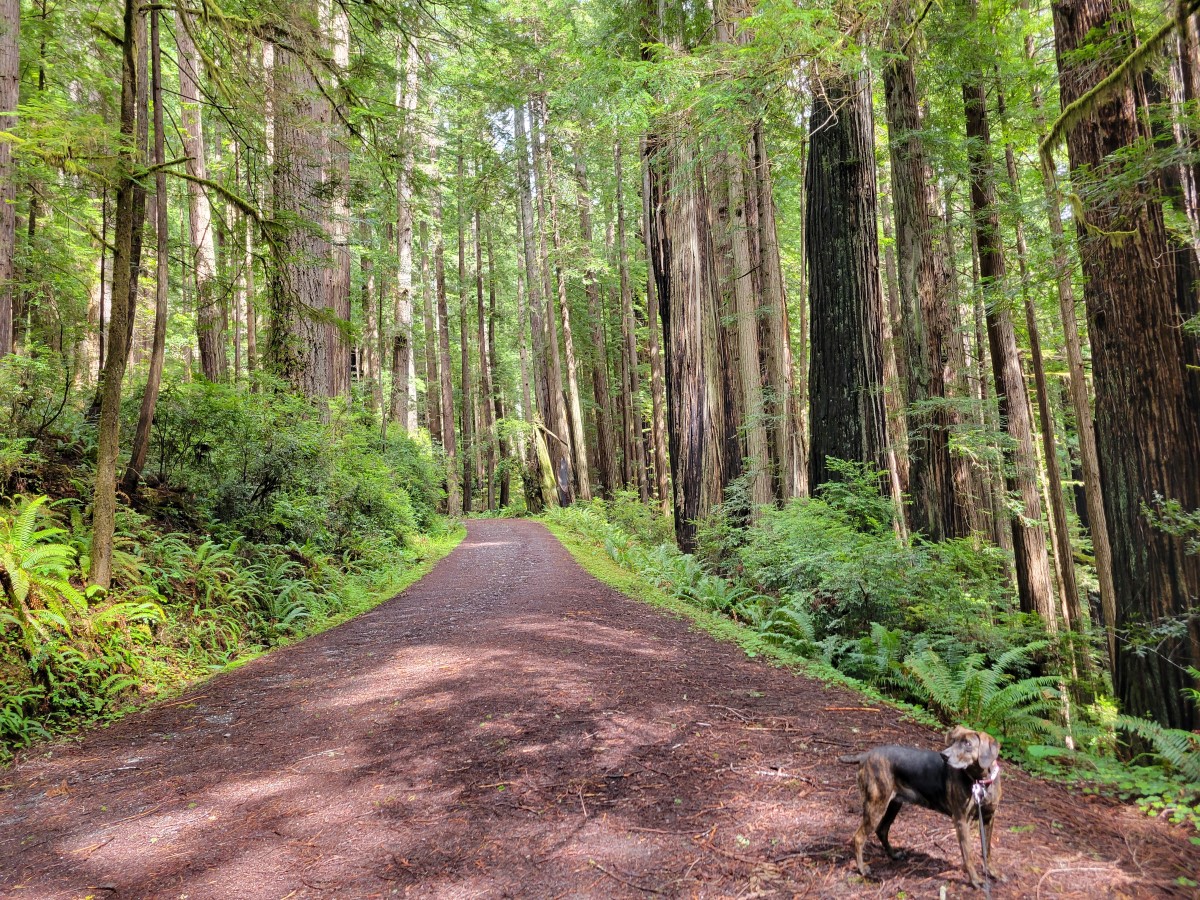
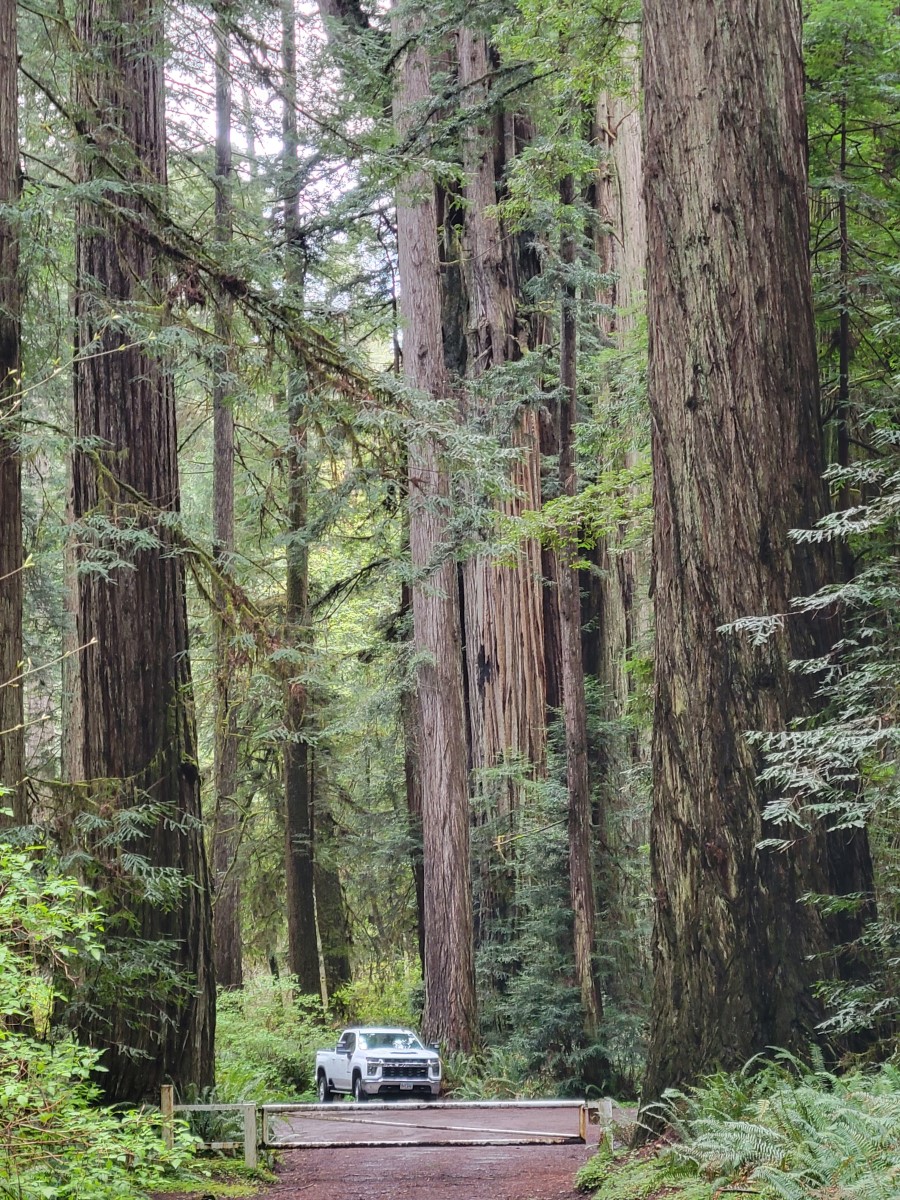
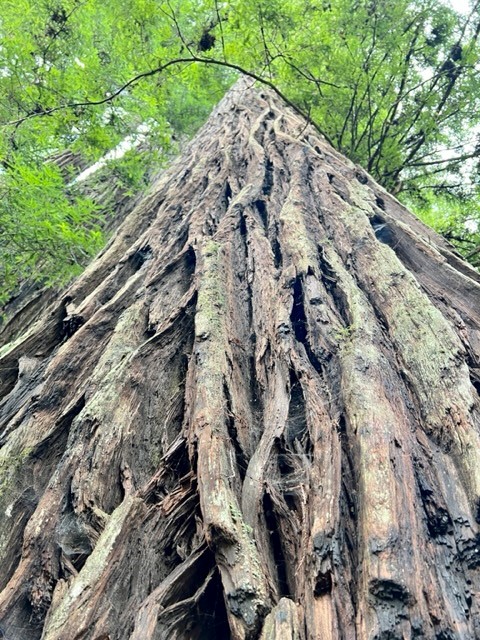

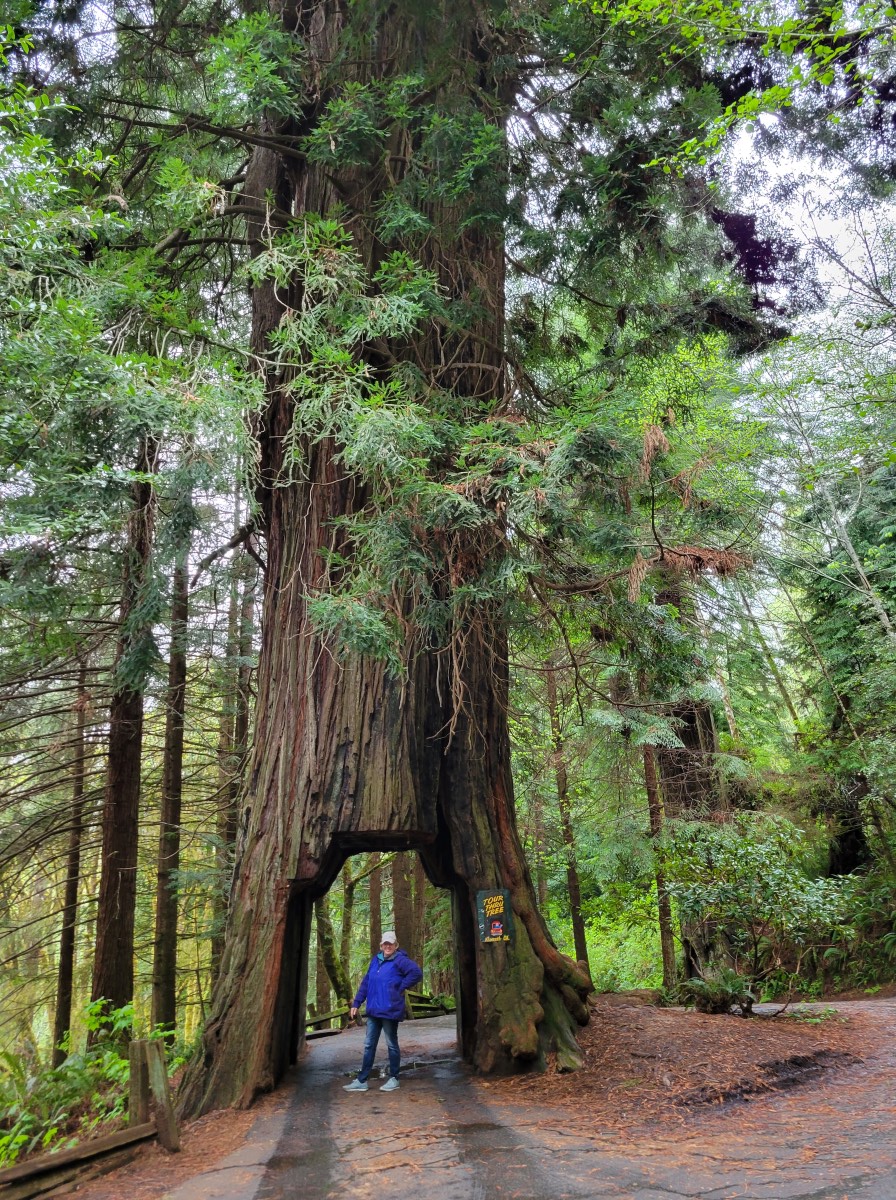
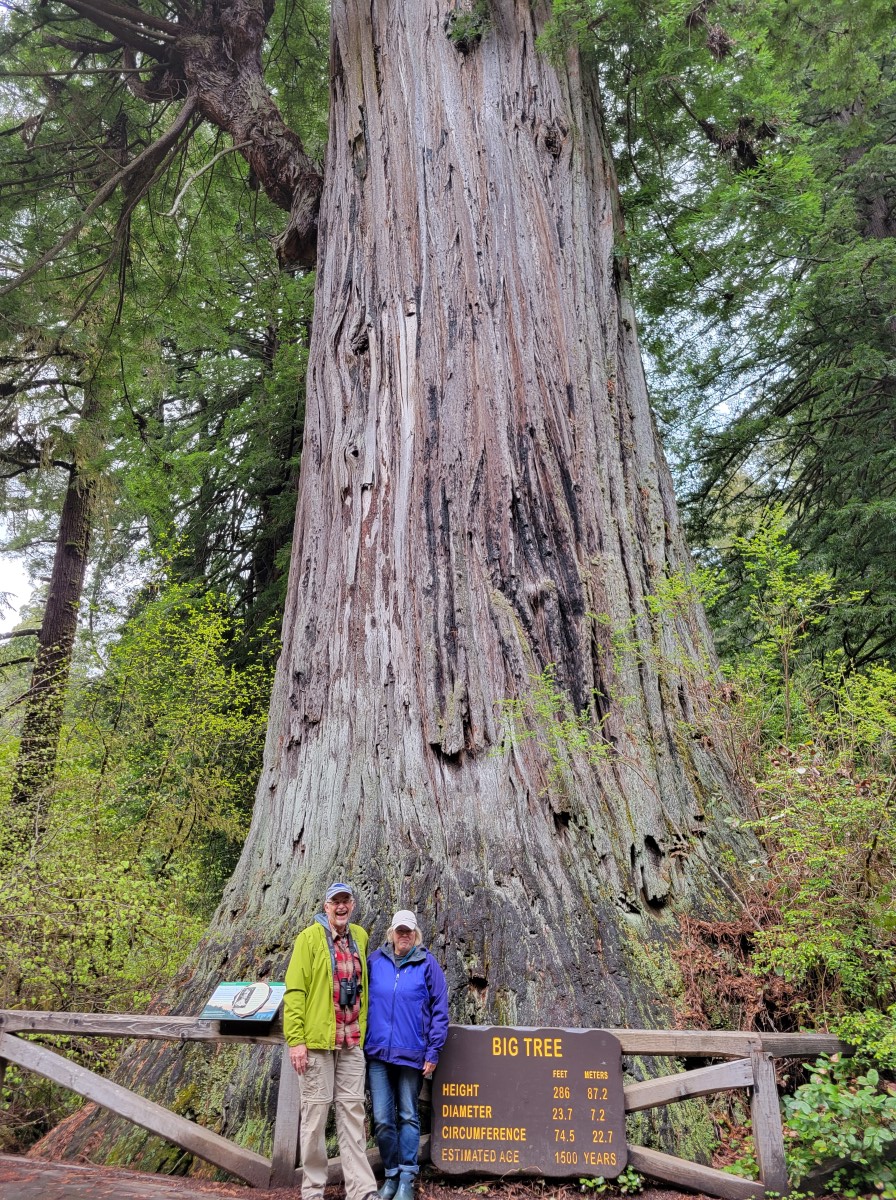
We had been among the sequoias up in the Sierras and the redwoods here provided a similar experience that was still uniquely profound. There was nothing like being in a whole forest of trees that are so incredibly tall. It made you feel so small in comparison and yet it also made you feel giant to be a part of it.
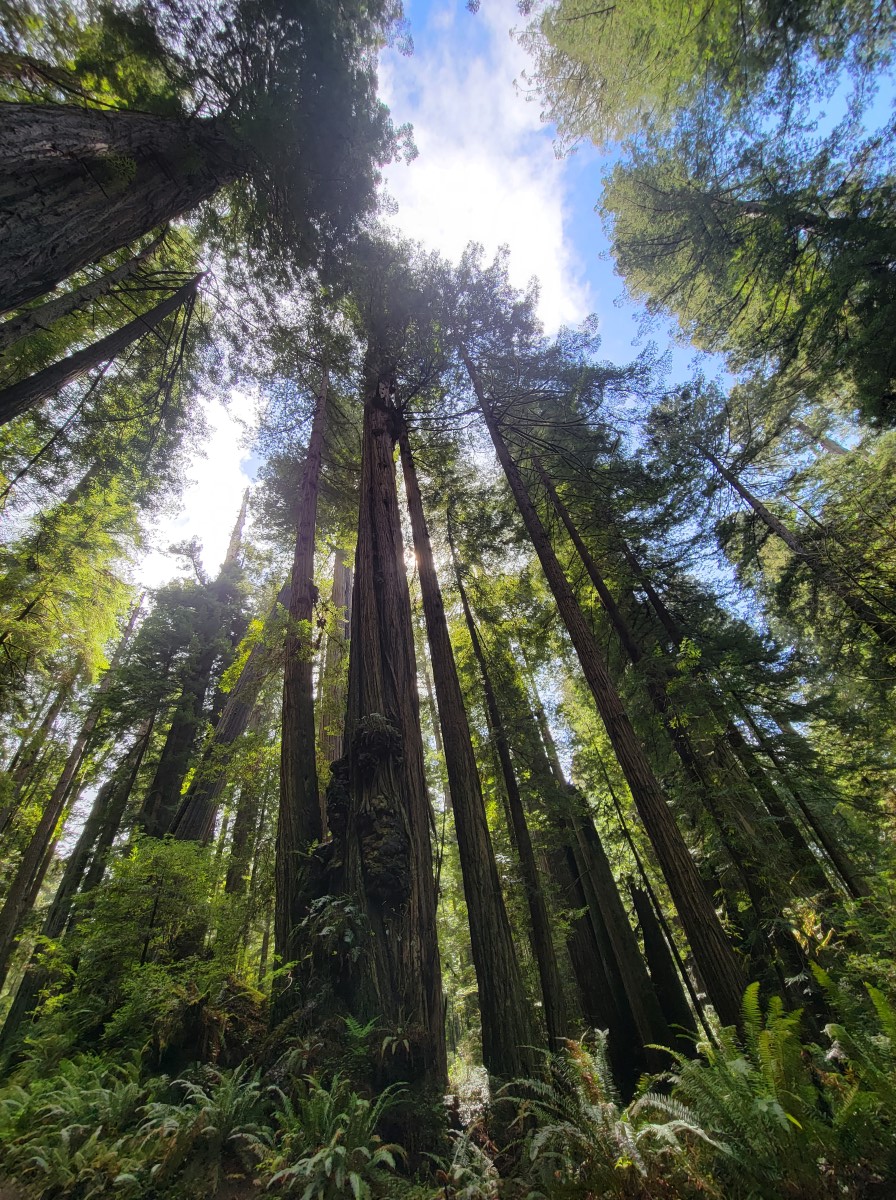
We had one more day to explore the redwoods and fortunately the weather improved, allowing us to drive the Drury and experience the second largest area of old-growth redwood forest in the world.

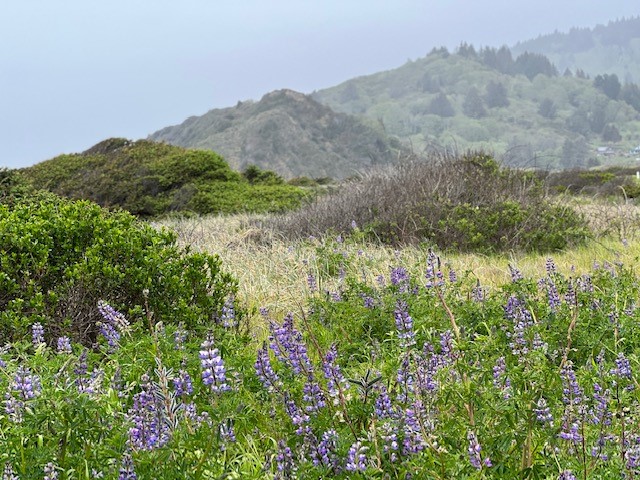
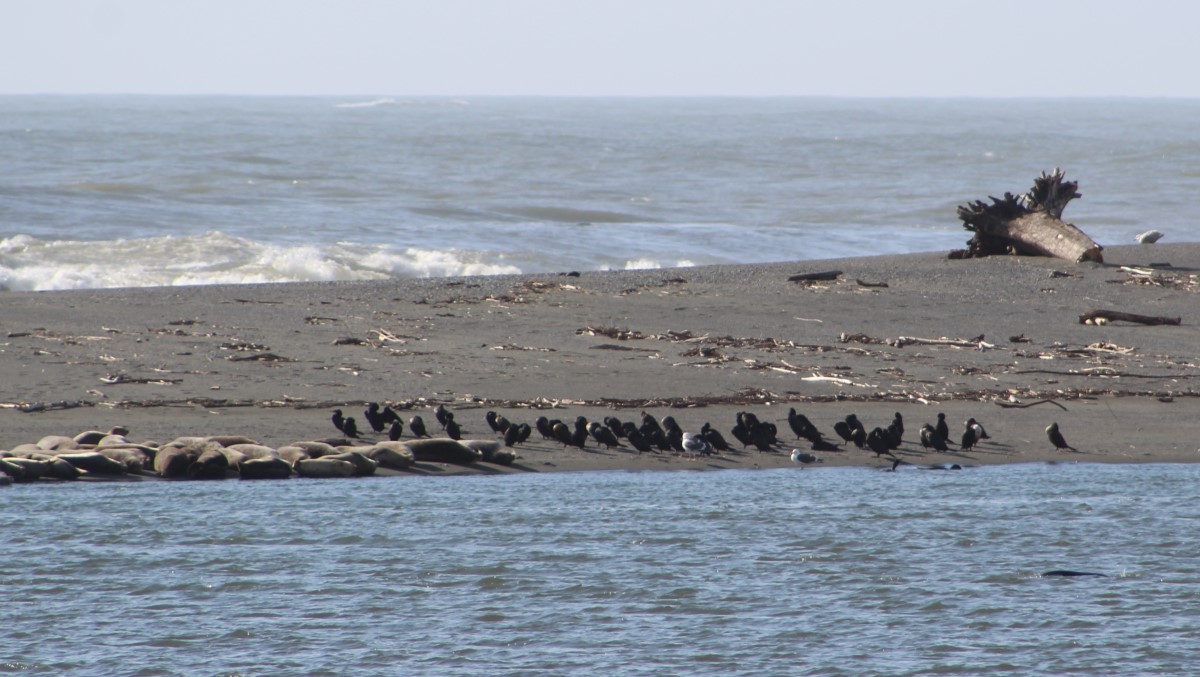
Near the campground we were also able to drive out to the beach at the mouth of the Klamath River and up to High Bluff Overlook.


Heading north from Klamath and the Redwoods Highway 101 went through its most rugged section, before Crescent City, where a perpetual construction zone attempts to keep the road attached to the side of a mountain. All in all 101 was very doable towing our fifth-wheel. There are a lot of twists and ups and downs as it weaves between coast and forest but one just needs to take it slow and enjoy the journey.

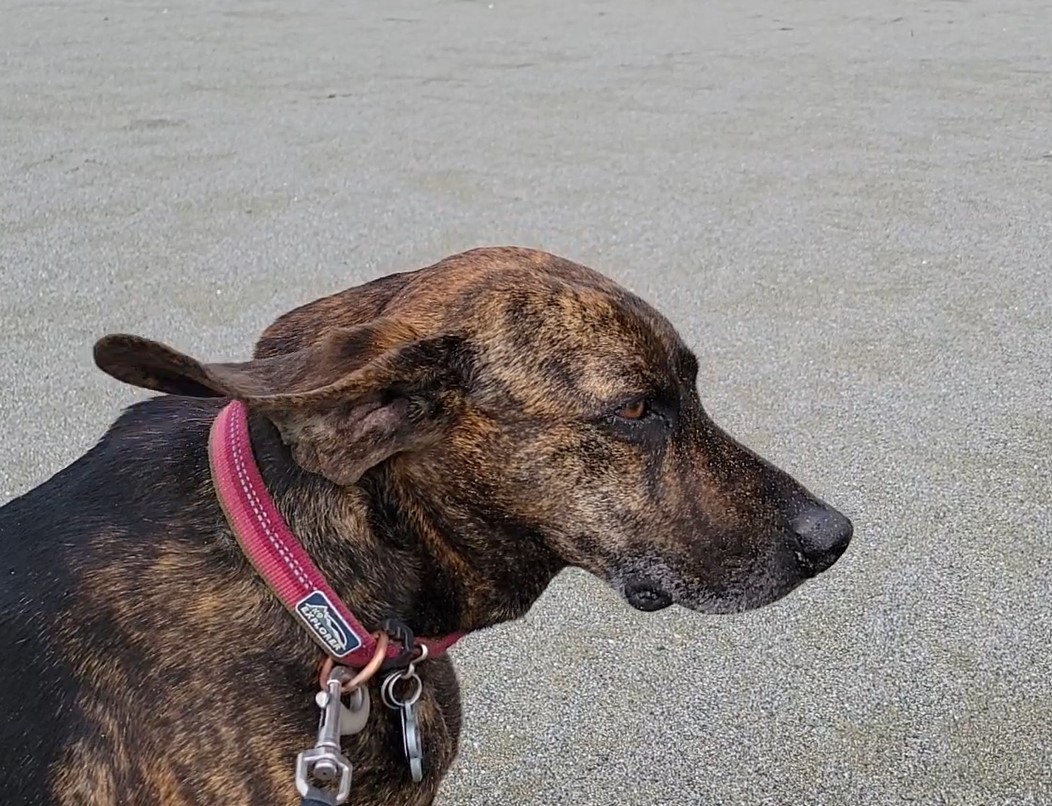
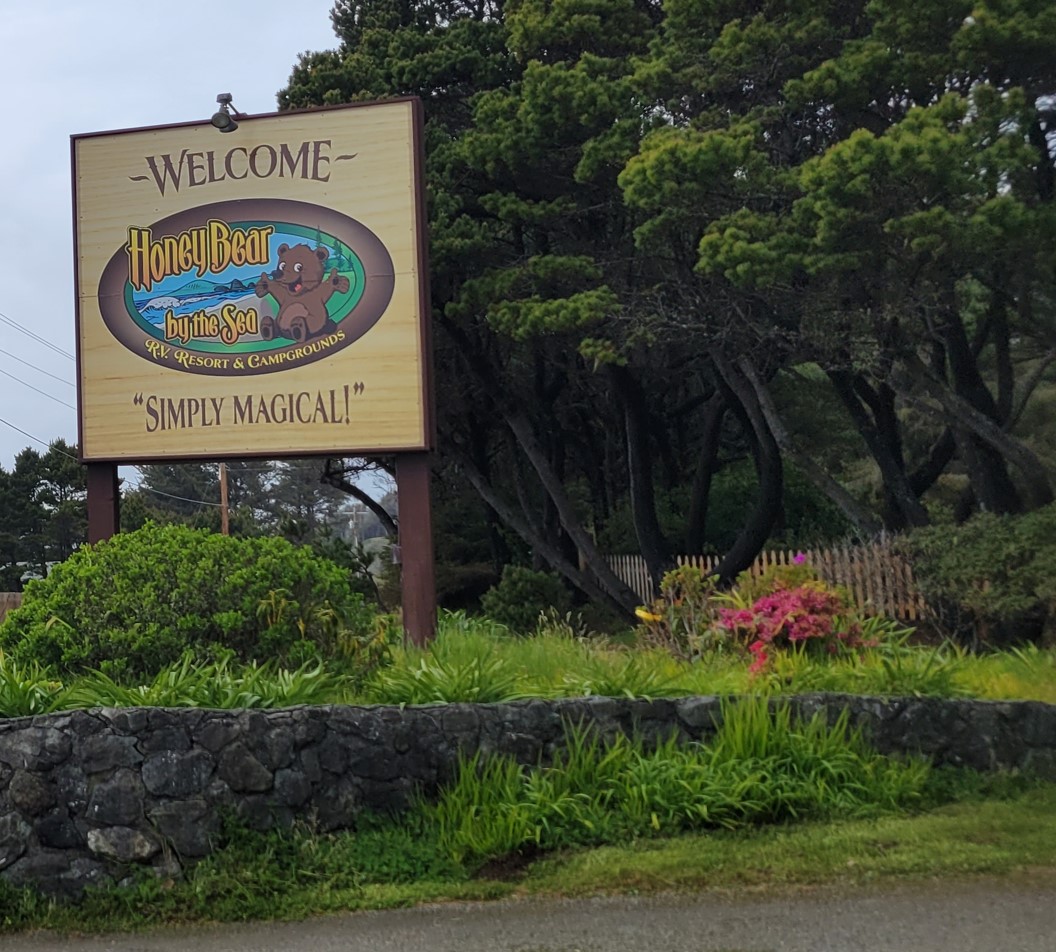
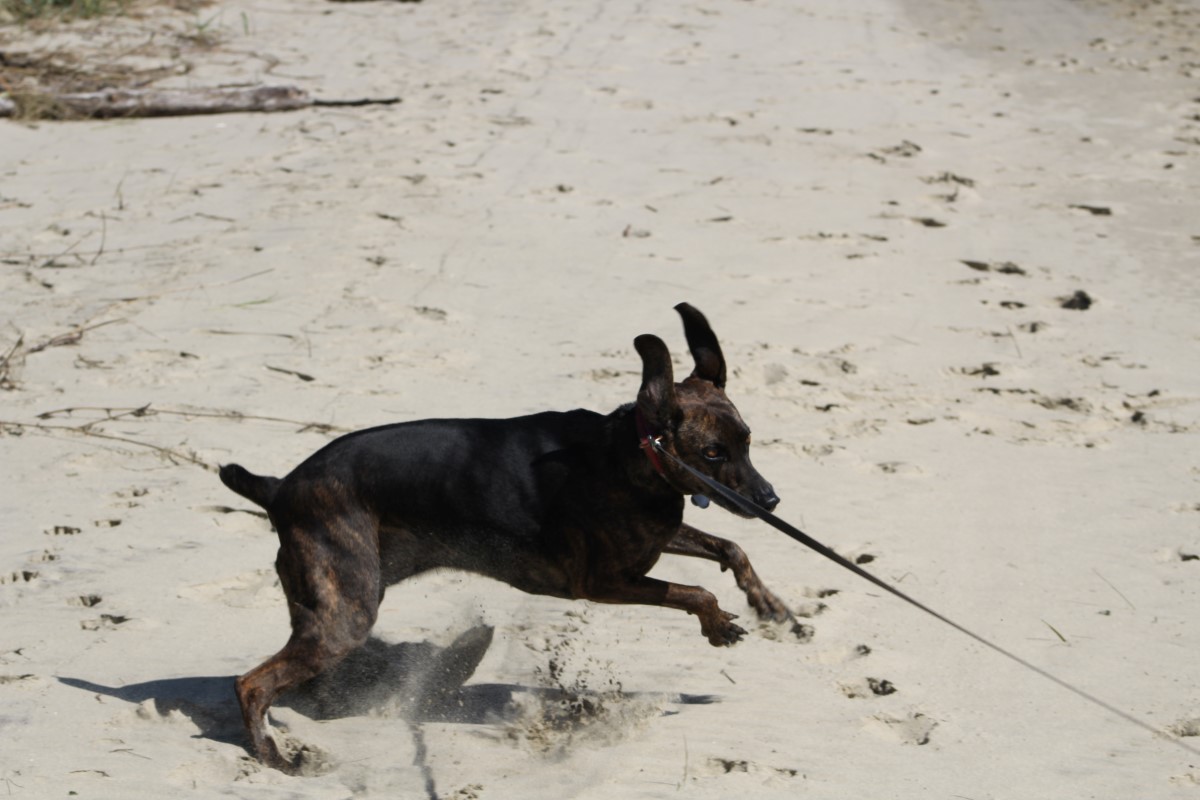
The next stop was a single night at Honey Bear near Gold Beach, Oregon. This was a gorgeous campground with a trail down to the shore at Ophir Wayside. One of the amazing things about the Oregon coast is that the shore is all open to the public. It’s frustrating to be in a scenic area that you can’t experience because the prime areas are all developed, but that is not the case where Oregon meets the Pacific. Most beaches are also dog friendly to the delight of Scout, even if it is windy.
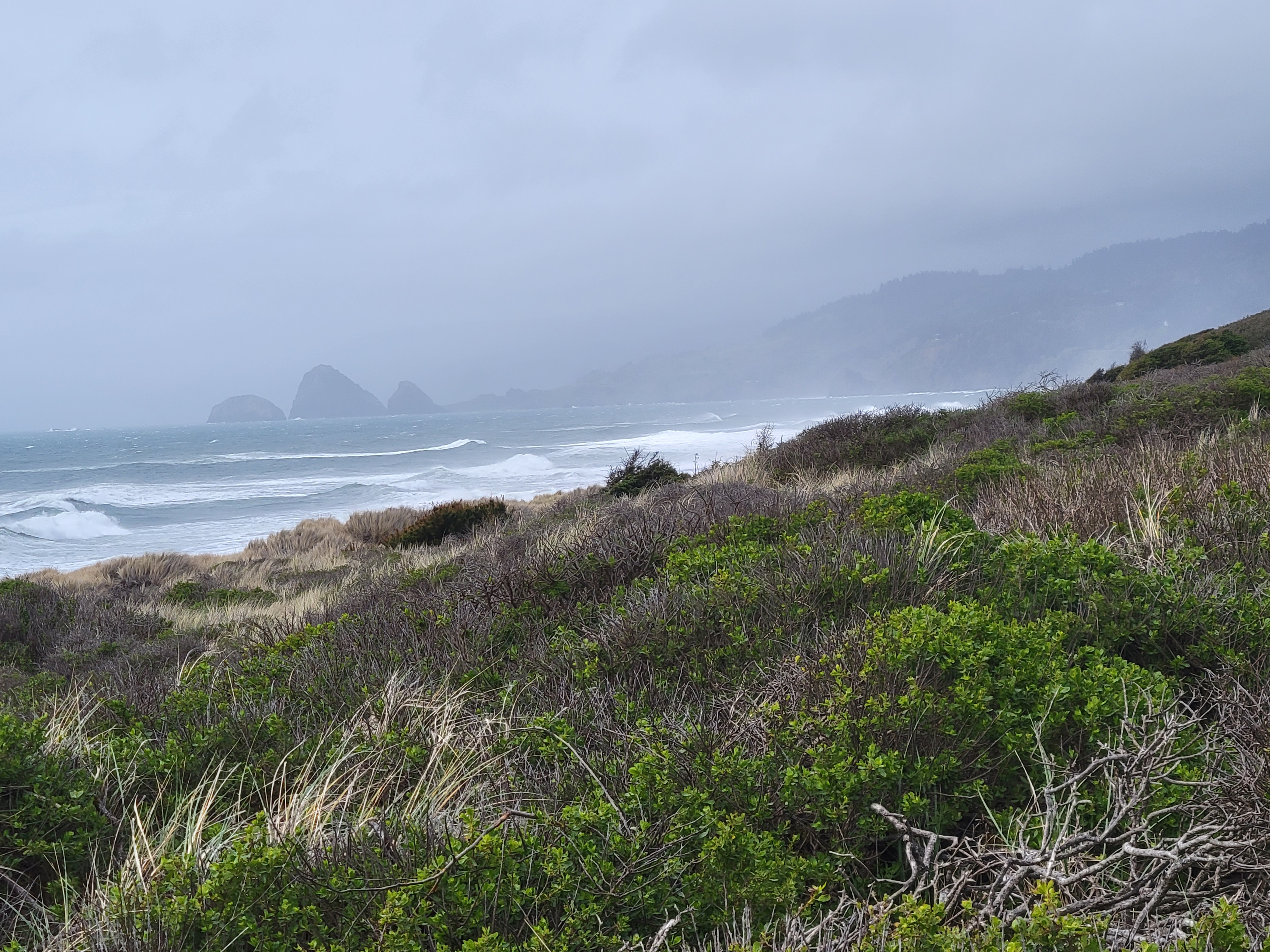
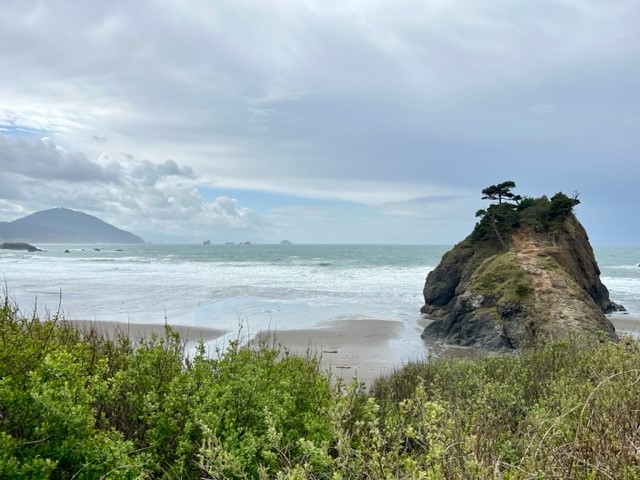
Heading north we stopped at Battle Rock Wayside Park in Port Orford, OR. The name Battle Rock seems to be an over glorification for a bungled attempt in 1851 to settle an area that was already settled. Nonetheless it was yet another pretty spot.


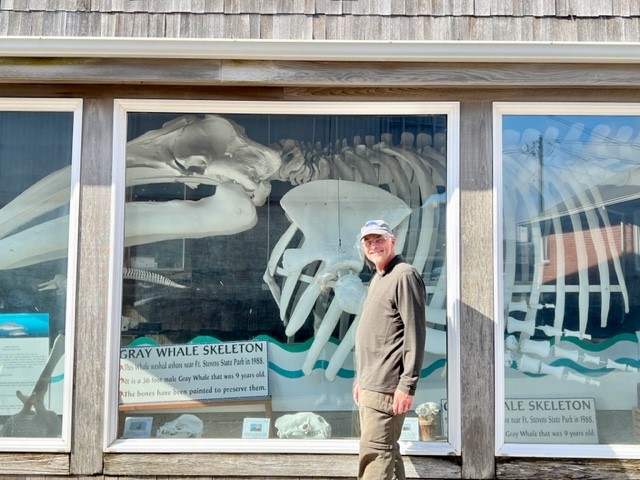
In the Pacific Northwest we stayed at a series of six Thousand Trails parks and the first was South Jetty near Florence, Oregon. Florence is a delightful town along the harbor where the Siuslaw River meets the sea and its claim to fame is the exploding whale. Do a search on “exploding whale” and you will learn what happened in 1970 when they attempted to use explosives to remove a beached whale.
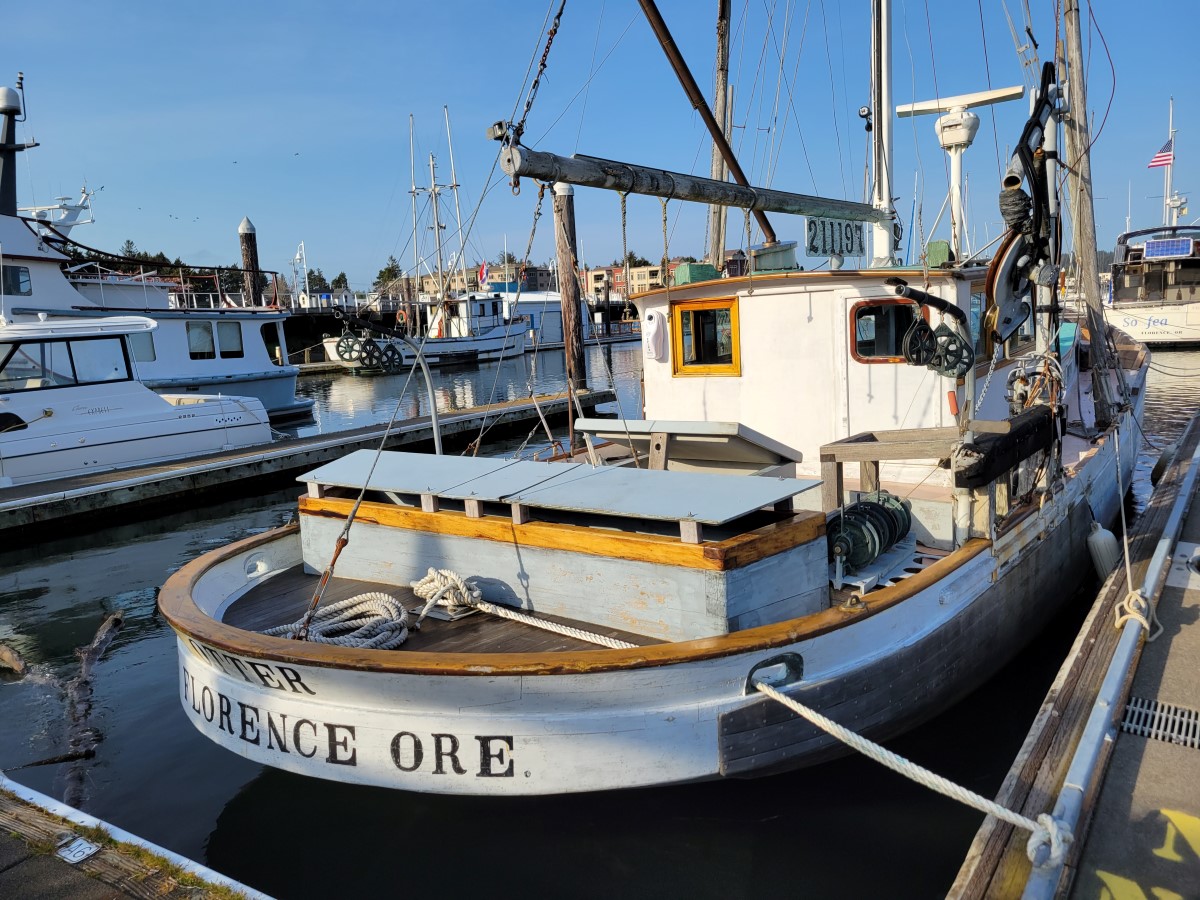
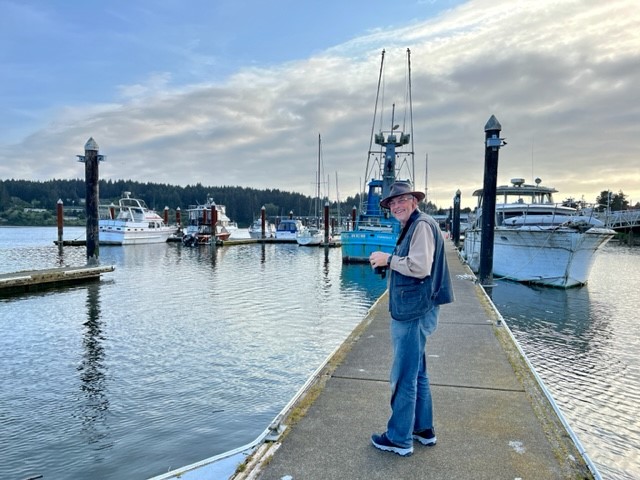
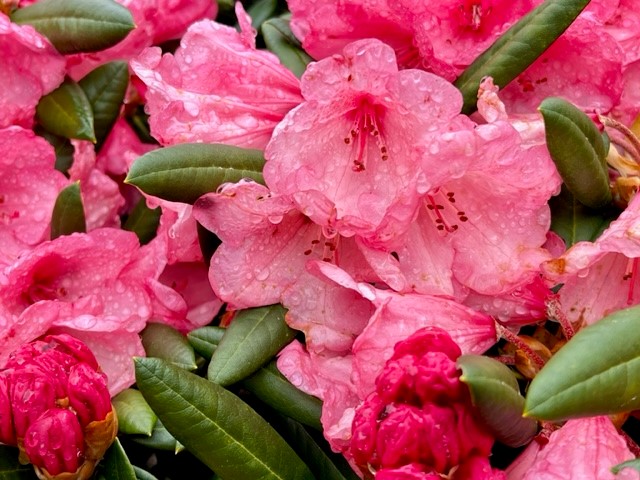

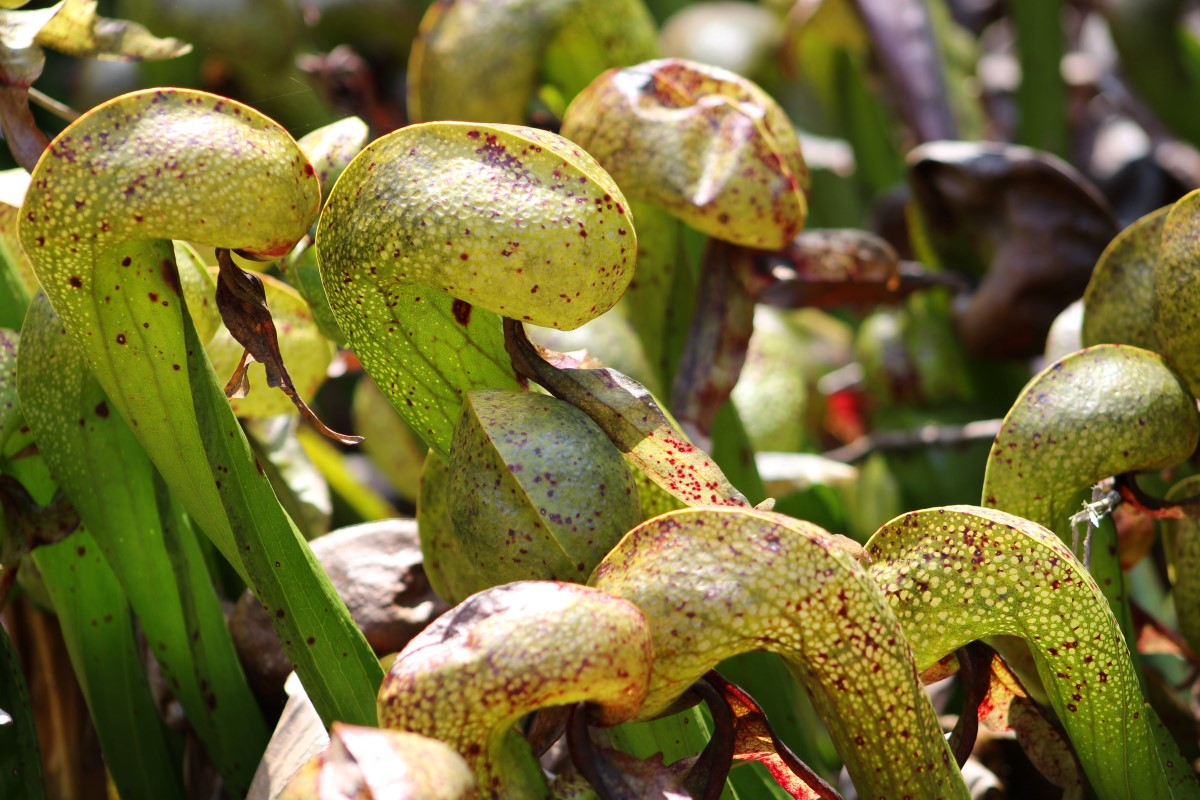
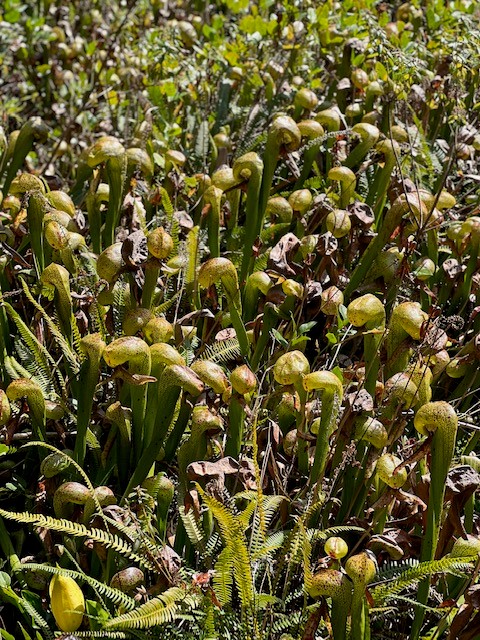
Areas around Florence that we explored included Exploding Whale Park which is not where the whale went boom, the South Jetty and its beach where it did, Cape Perpetua with Thor’s Well, Spouting Horn and Cooks Chasm, and the Darlingtonia State Natural Site with its rare carnivorous plants.
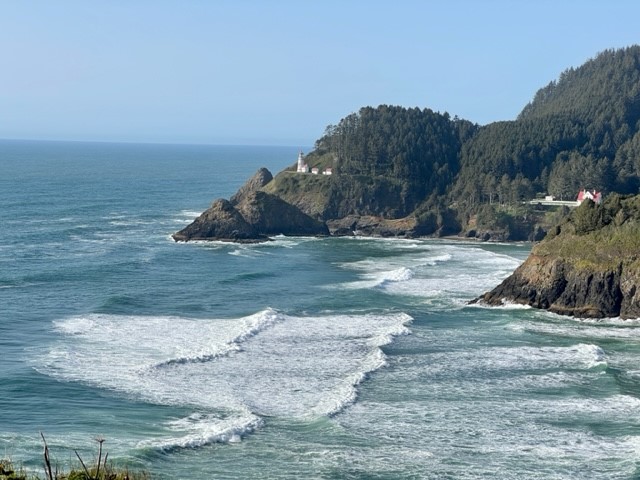
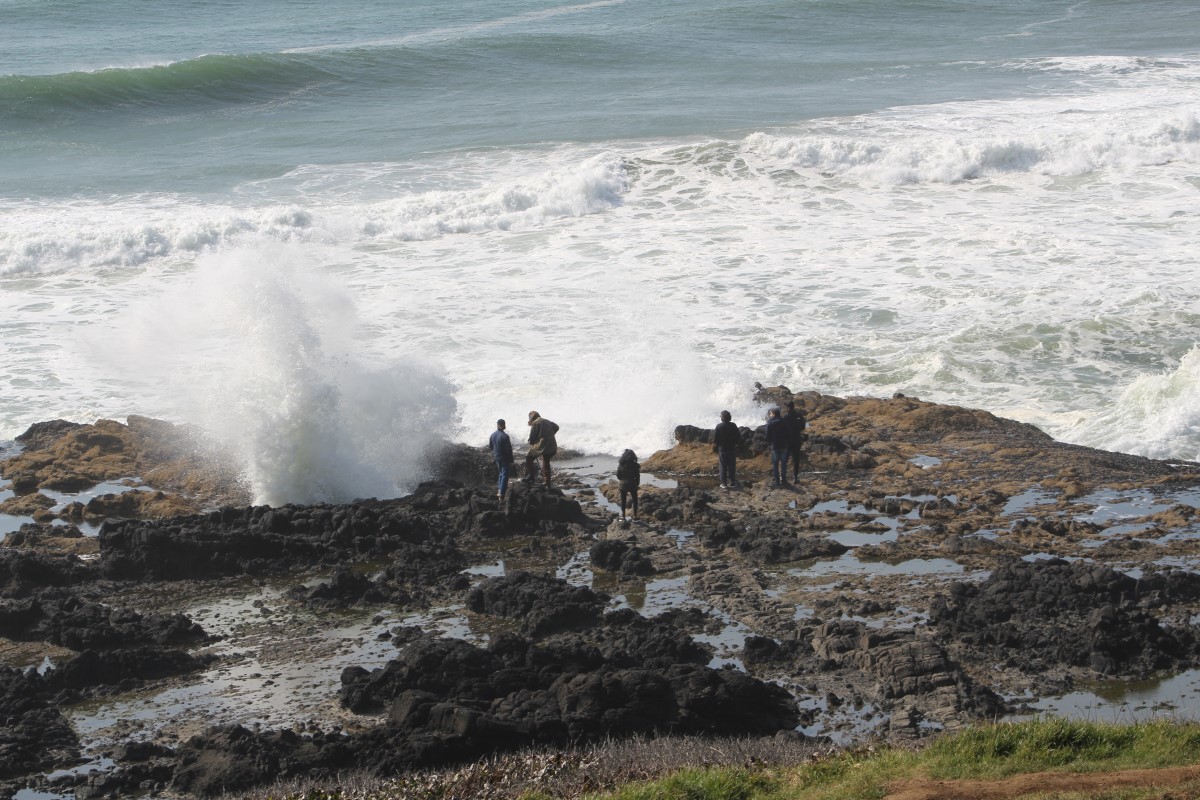


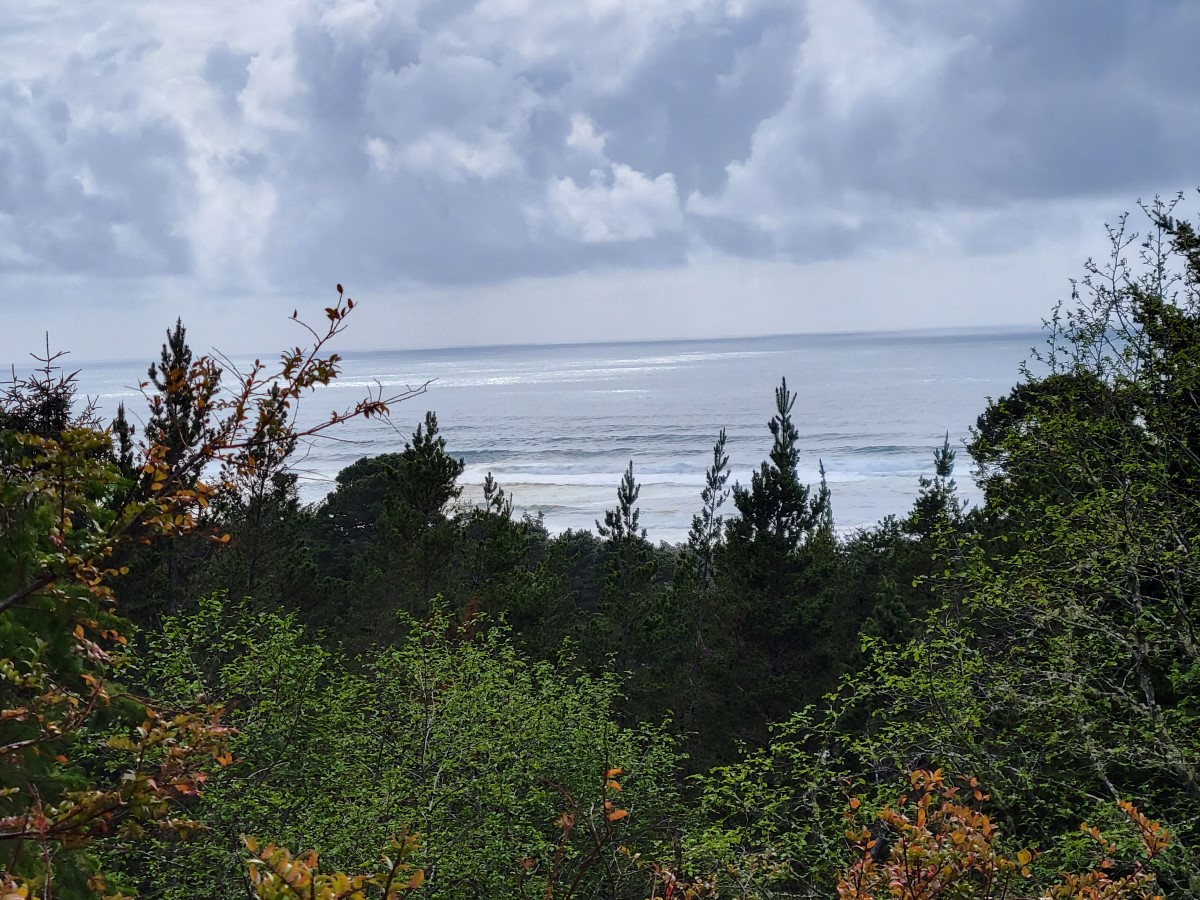
Next up was Pacific City, Oregon and the Pacific City RV Campground just to the north. This is very much a three-dimensional park and the drive that wound through the campground and up to our perch of a campsite took some time but it was a lovely place. An established trail through the forest brought us down to McPhillips Beach.
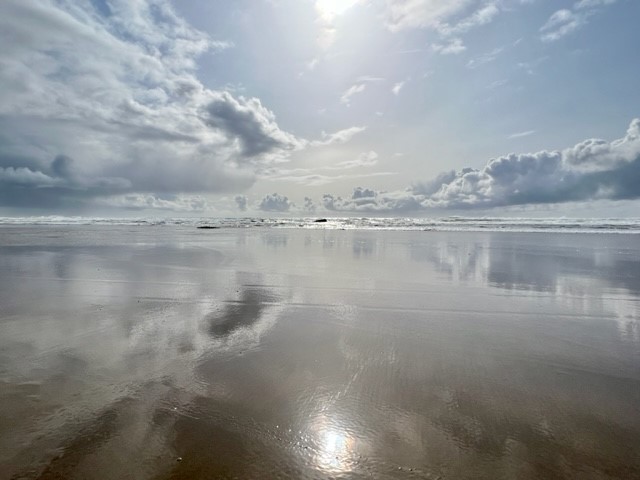

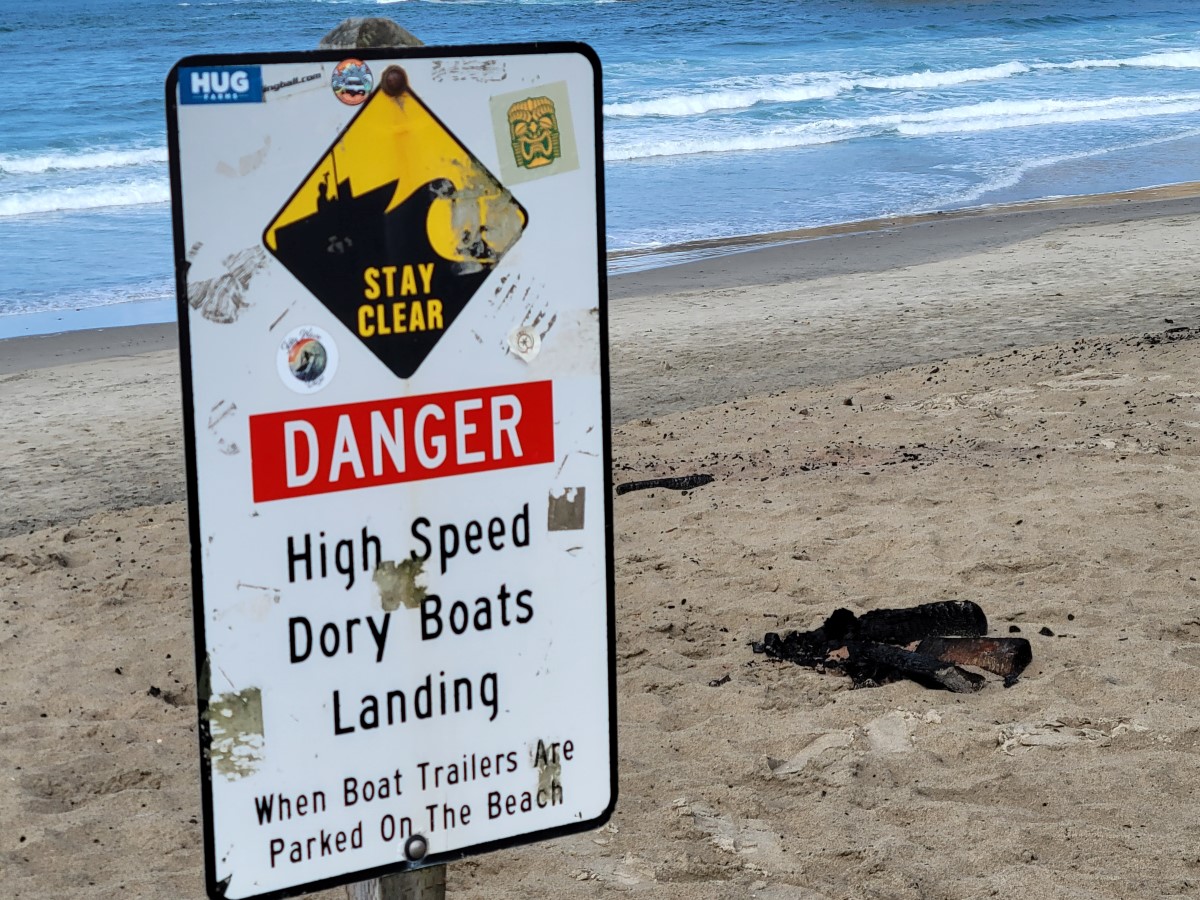
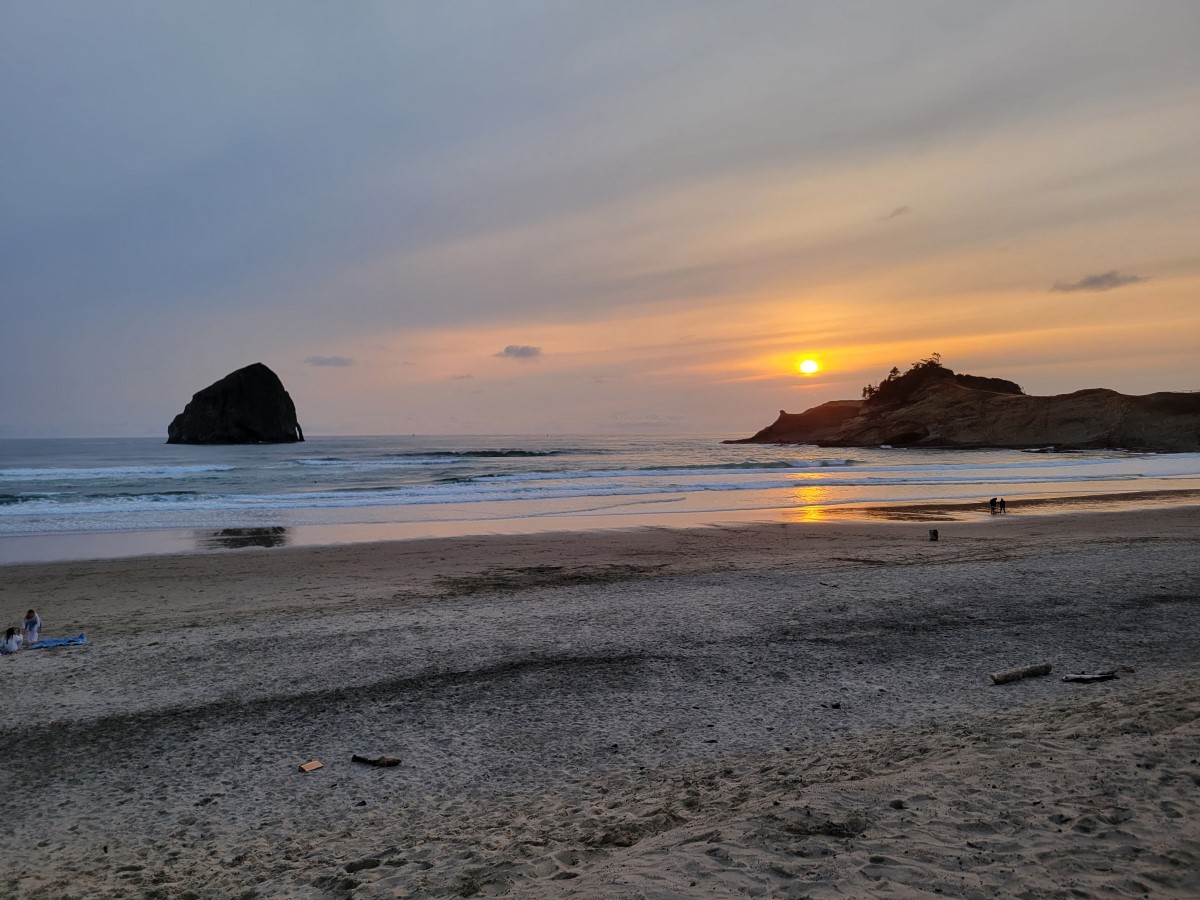
The town of Pacific City is known for the dory fleet. A dory is a special type of fishing boat used for over 100 years that allows the Dorymen to push off the beach at Cape Kiwanda and get through the sheltered shallow waters out to deeper waters. We didn’t see any come in but signs on the beach warn you to watch out for incoming boats. Apparently speed is a key element of getting back through shallow waters.

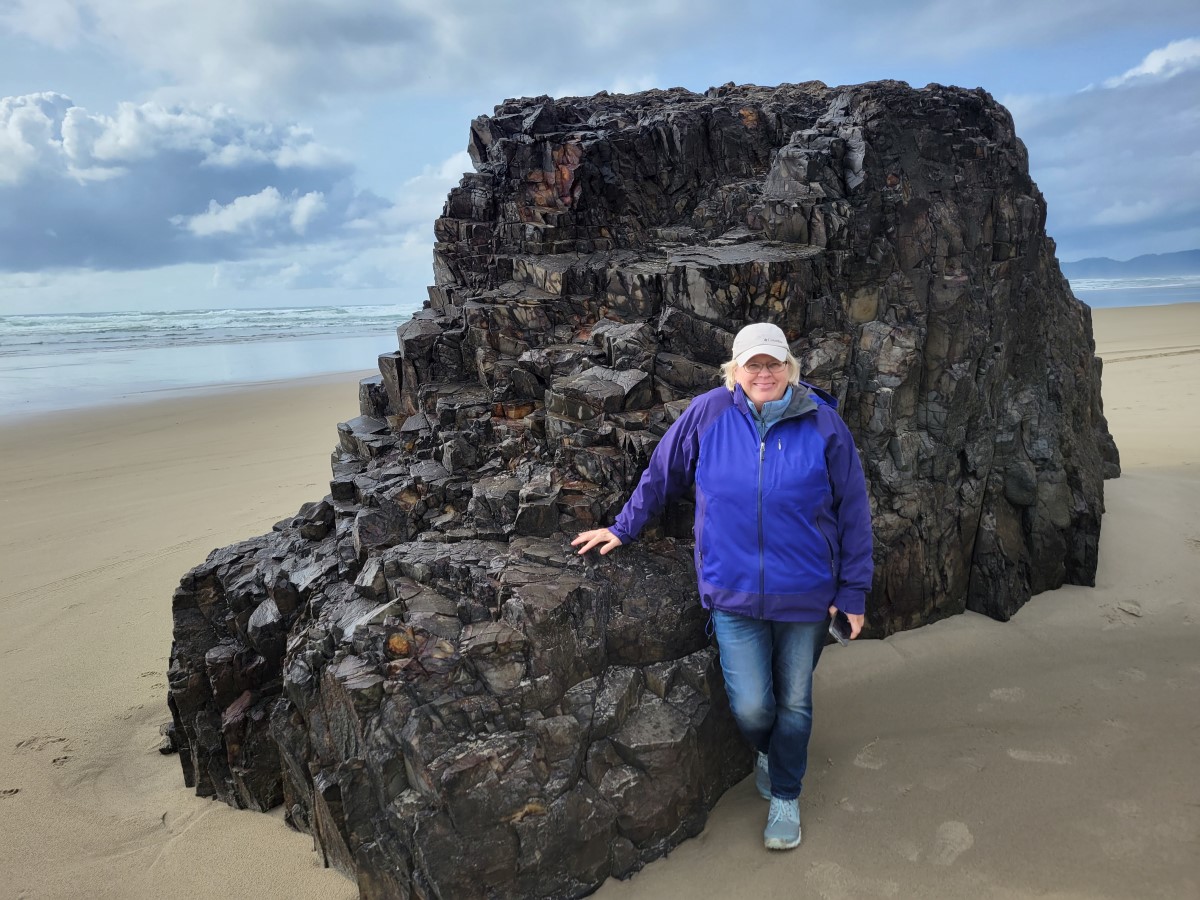
The main road through Pacific City is Brooten Road. Researching the origin of the name I could find no connection to Brooten, Minnesota other than both are of Norwegian origin. Heading north we drove through the Tillamook area which features not only the famous dairy but also the Air Museum with a 1943 blimp hangar that is the world’s largest clear-span wooden structure.
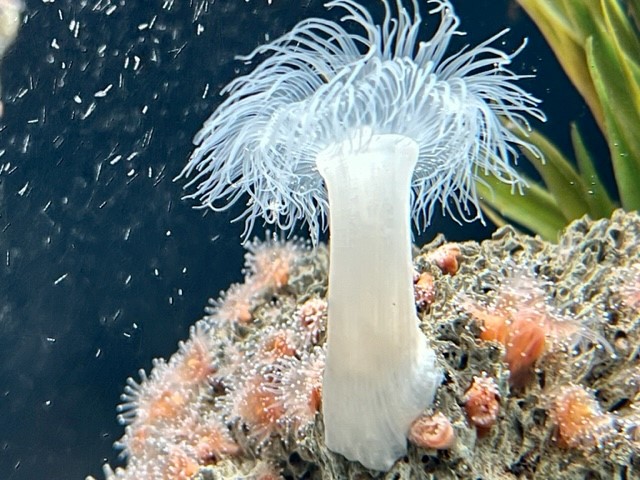
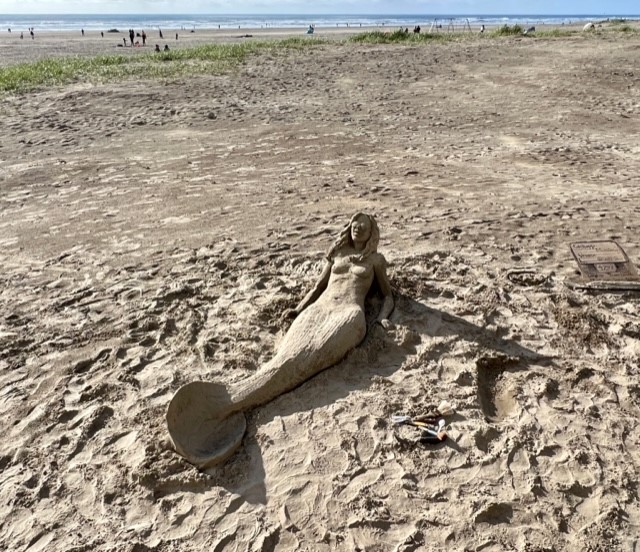
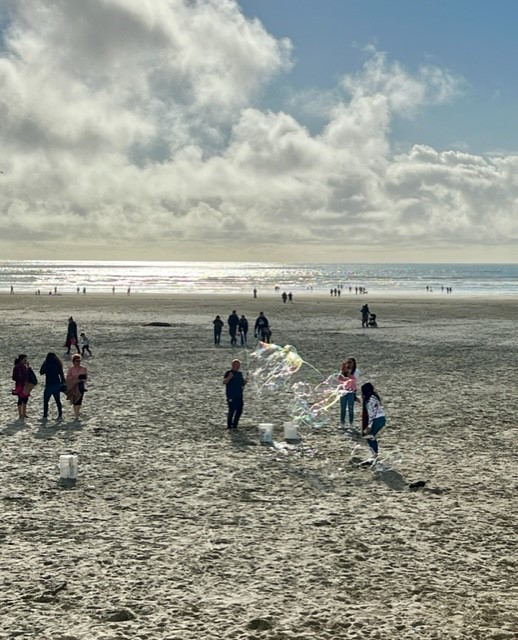
We had one more stop in Oregon and this was in Seaside. The Seaside RV Resort is on the east side of town and it’s a short drive to the coast. Seaside is a fun town with a summer carnival vibe, even reminding us a tiny bit of the Minnesota State Fair. Though Seaside stretches along the coast the beach itself is still open to the public and is very accessible. At the beach are a nice aquarium and a monument marking the furthest point of the Lewis and Clark expedition. The celebratory atmosphere of town continues out onto the sand with sand sculpting, bubble art, kite flying and people just having fun.



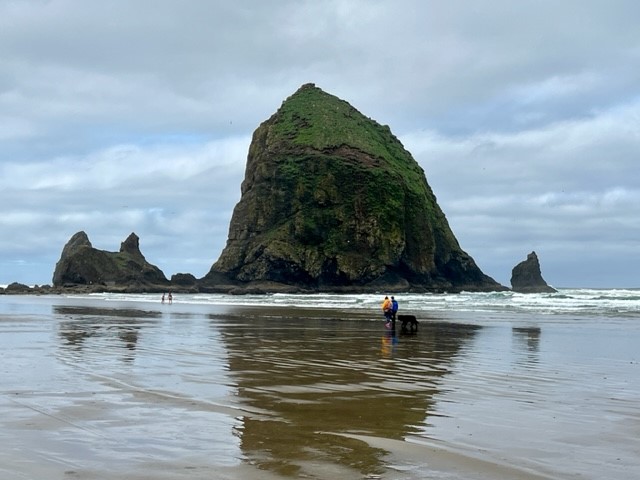
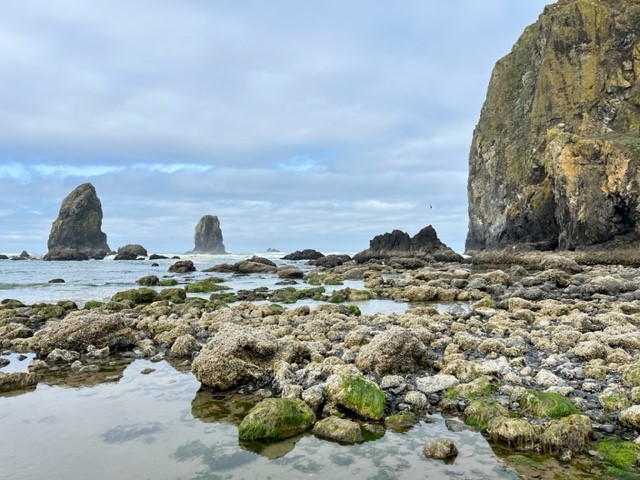
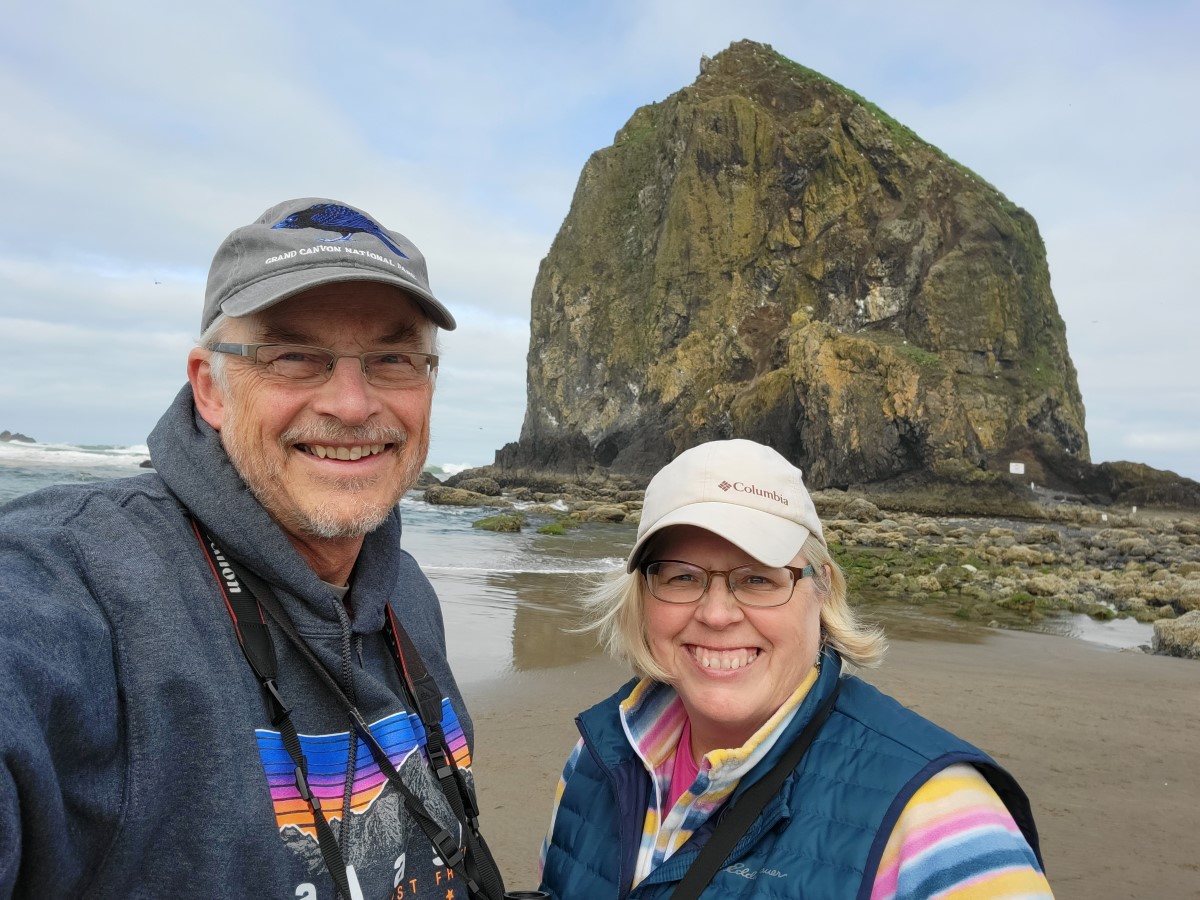
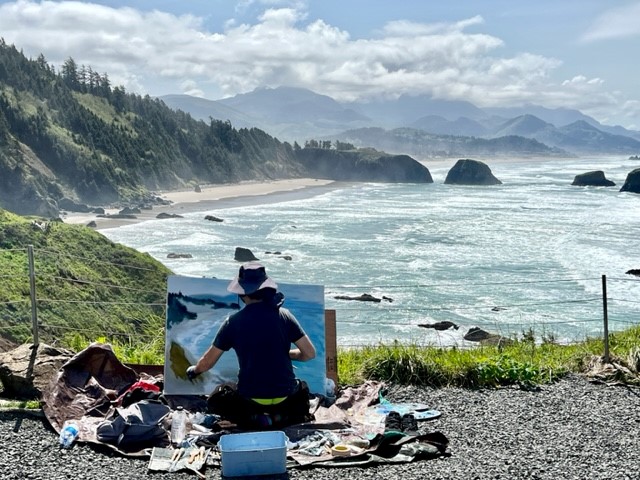
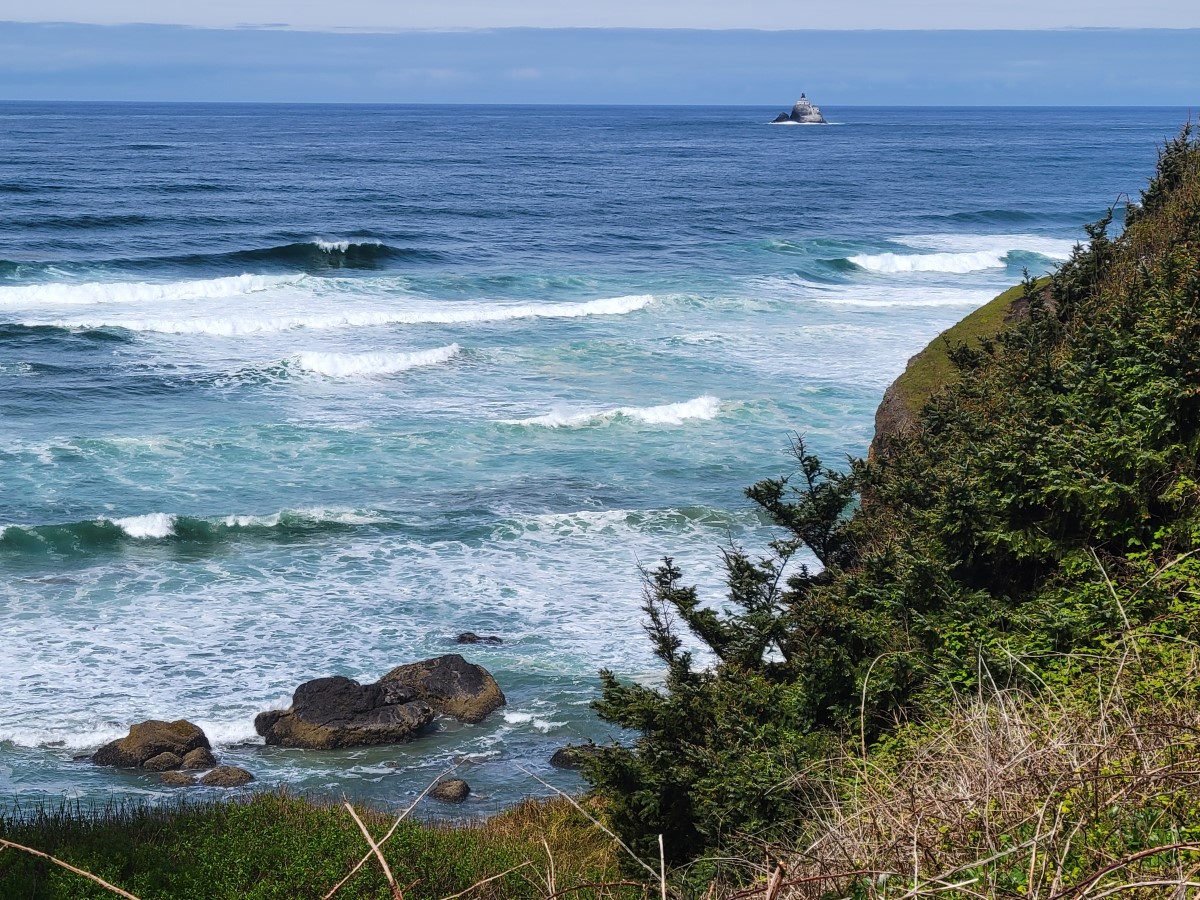
Not far south of Seaside is the quaint town of Cannon Beach and the famous Haystack Rock. Sea stacks are characteristic of the Oregon coast and this is the most photographed of them all. High up on the rock we were able to catch sight of puffins occasionally appearing from holes in the ground. Ecola State Park nearby provided impressive views of the beach and of the ill-fated Tillamook Lighthouse.
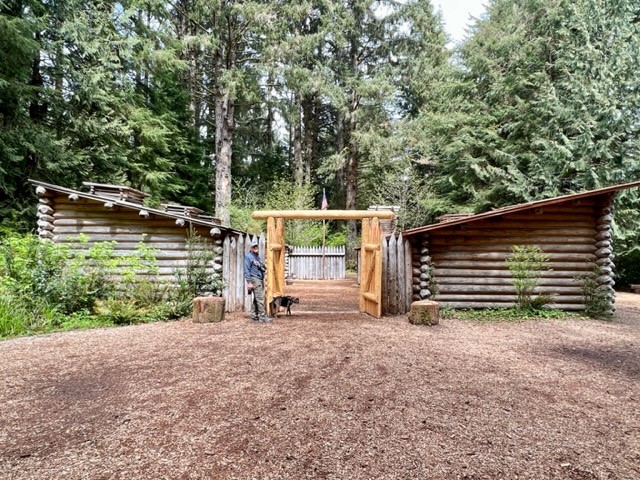
There was also a lot to explore not far to the north where the Columbia River enters the Pacific. We visited Lewis and Clark National Historical Park and Fort Clatsop where the explorers wintered in 1805 after their 4000 mile journey across the continent.
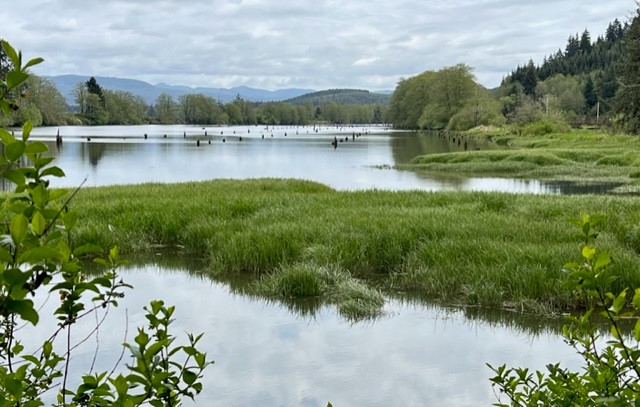
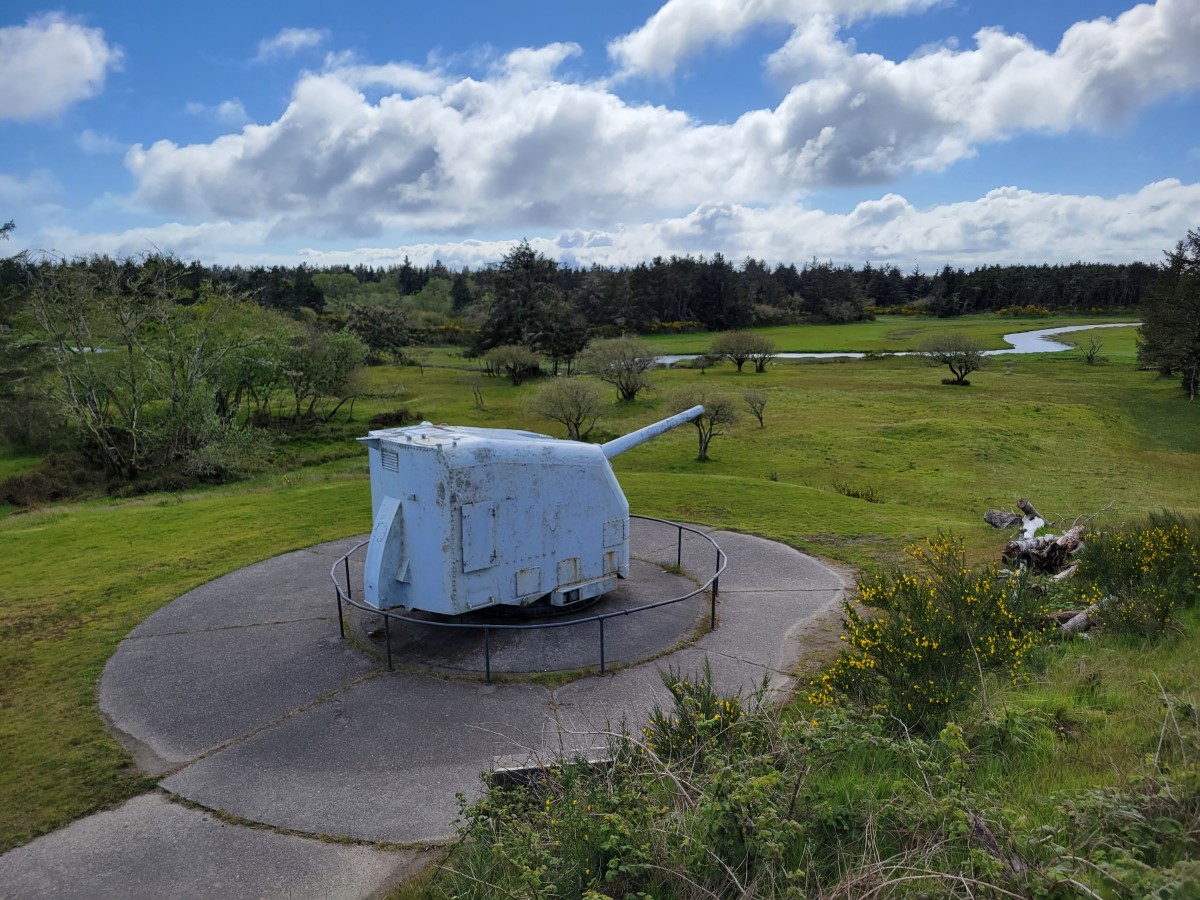
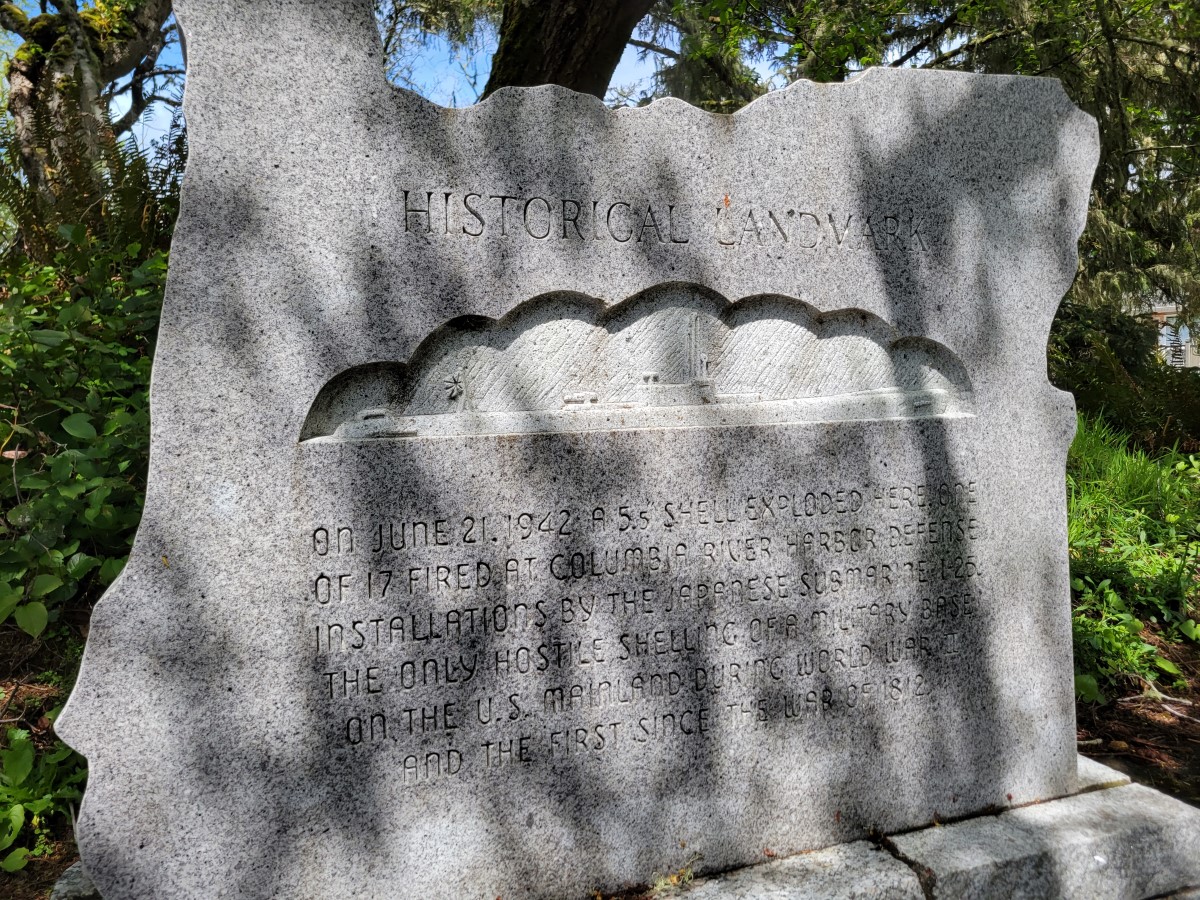
On the south side of the mouth of the Columbia is Fort Stevens State Park. Fort Stevens was active from the Civil War through World War II and in 1942 became the only mainland US military installation to come under enemy fire during the war. 17 shells fired from a Japanese submarine did little damage but raised alarm.

Also along the south side of the Columbia is Astoria, Oregon which in itself offers a lot to experience. High on a hill above the city stands the Astoria Column, a 125-foot tall monument built in 1926. Murals on the exterior of the column depict local history including the Lewis and Clark expedition. The views from the park are amazing whether you are at the base as was Dan or dare to climb to the top as did Kara.

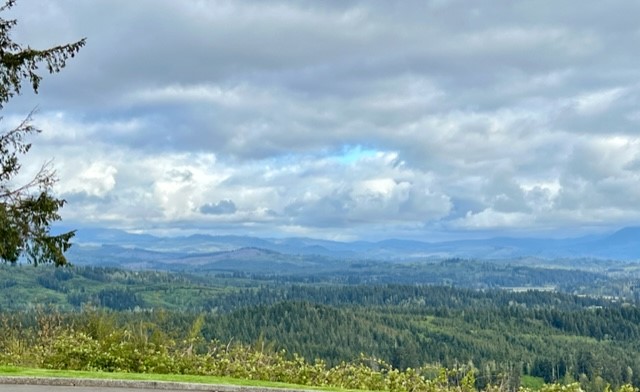
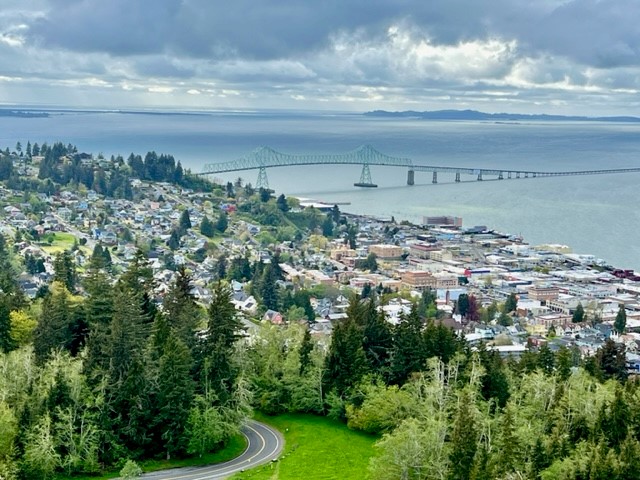
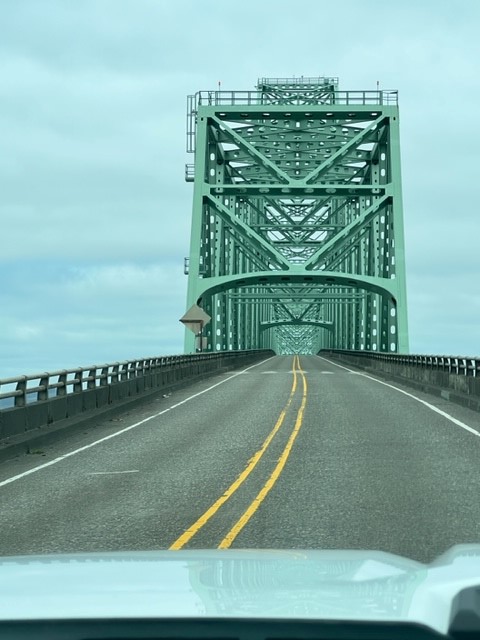
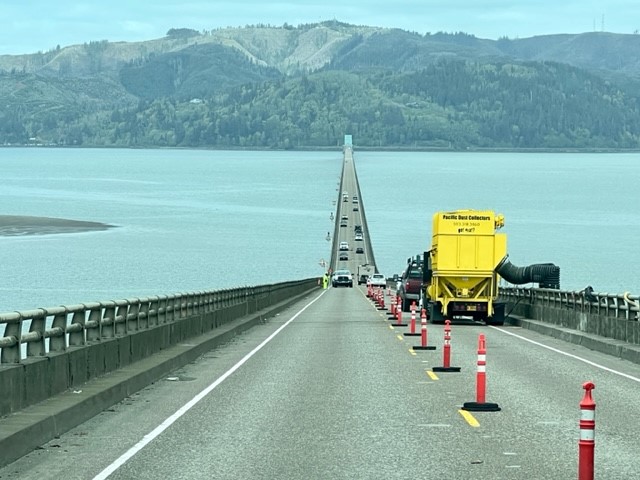
To go from Oregon to Washington on 101 required crossing the immense Astoria-Megler bridge over the Columbia River. It is the longest continuous truss bridge in the U.S. and takes you about 200 feet above the river to allow ocean freighters to enter the port. The approach ramp on the Astoria side to get up onto the bridge was perhaps the most intimidating part but certainly nothing to justify a long detour. The north-side descent was longer and more gradual.
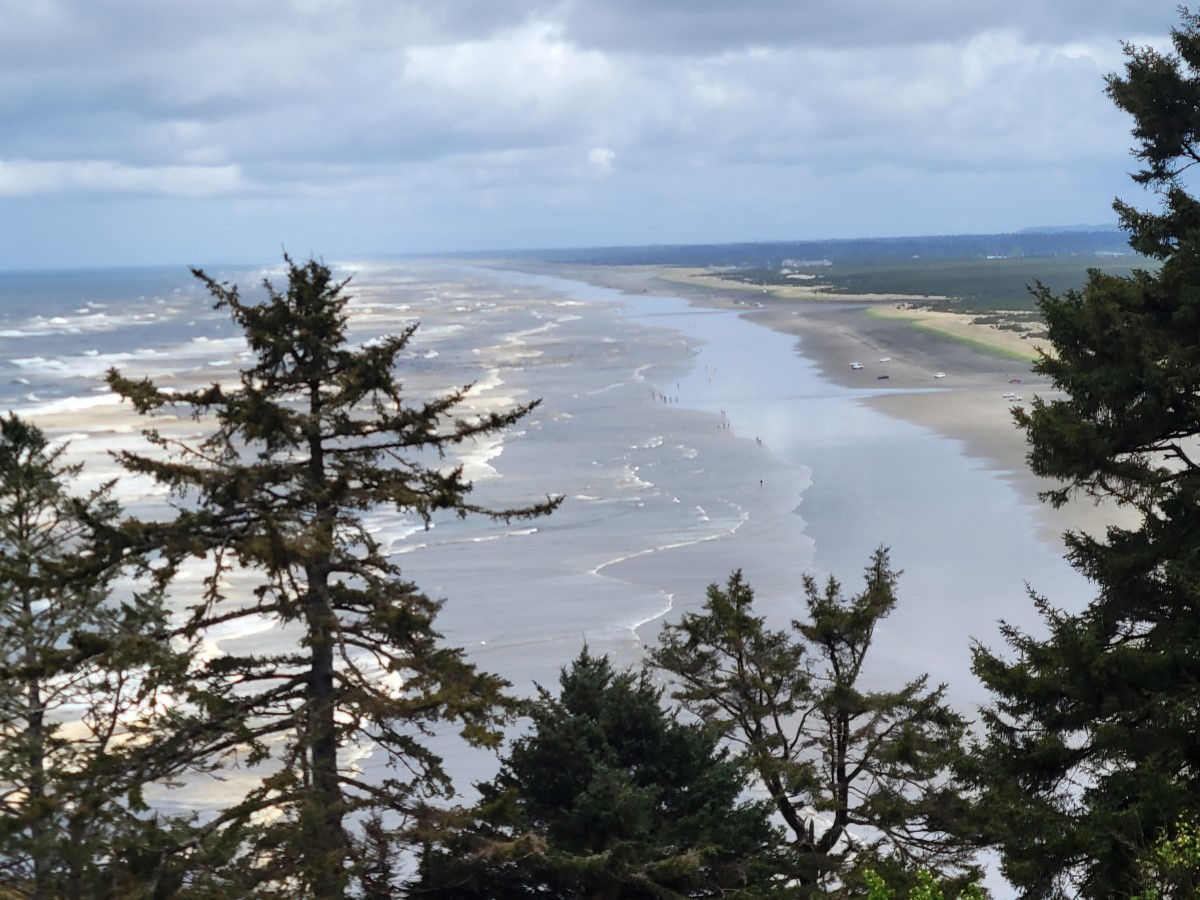
While the trip from Seaside in Oregon to Seaview in Washington and the Long Beach RV and Camping Resort went high it didn’t go far. To clarify, The Long Beach in Long Beach RV and Camping Resort is a reference to Long Beach the beach, which is called Long Beach because it is said to be the world’s longest beach, and not Long Beach the town which is just north of Seaview the town that Long Beach RV and Camping Resort is in and not to be confused with Seaside though both are seaside and have a view of the sea. Hope that helps.
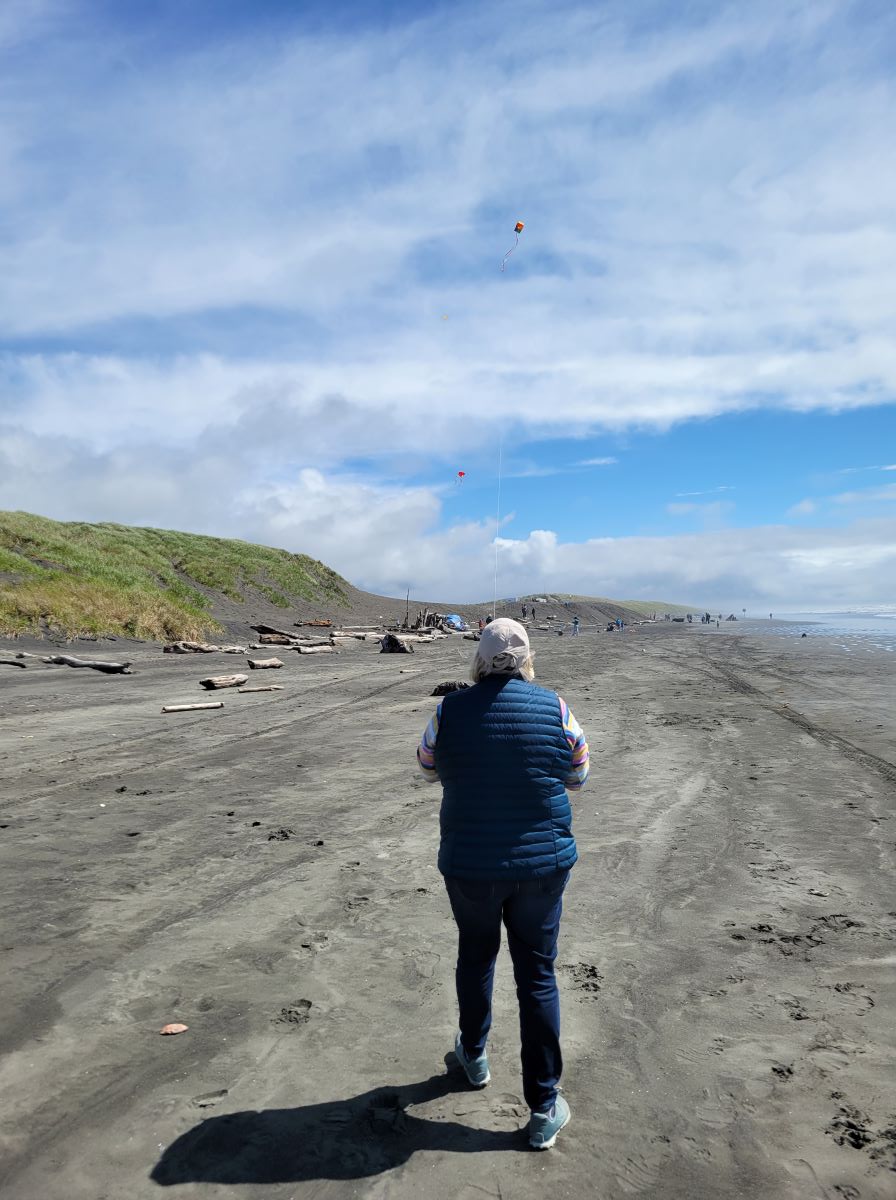
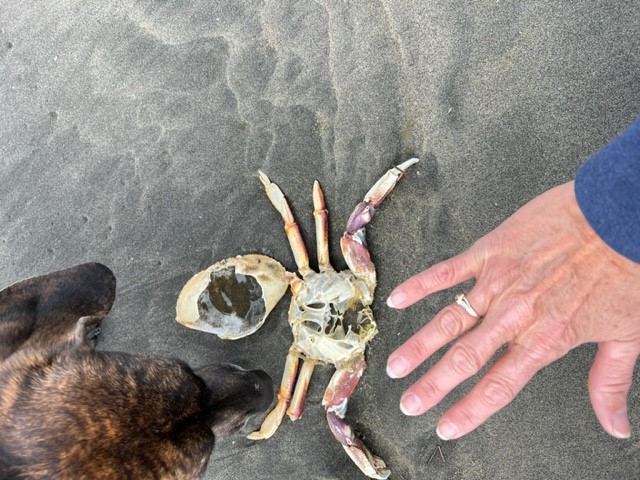
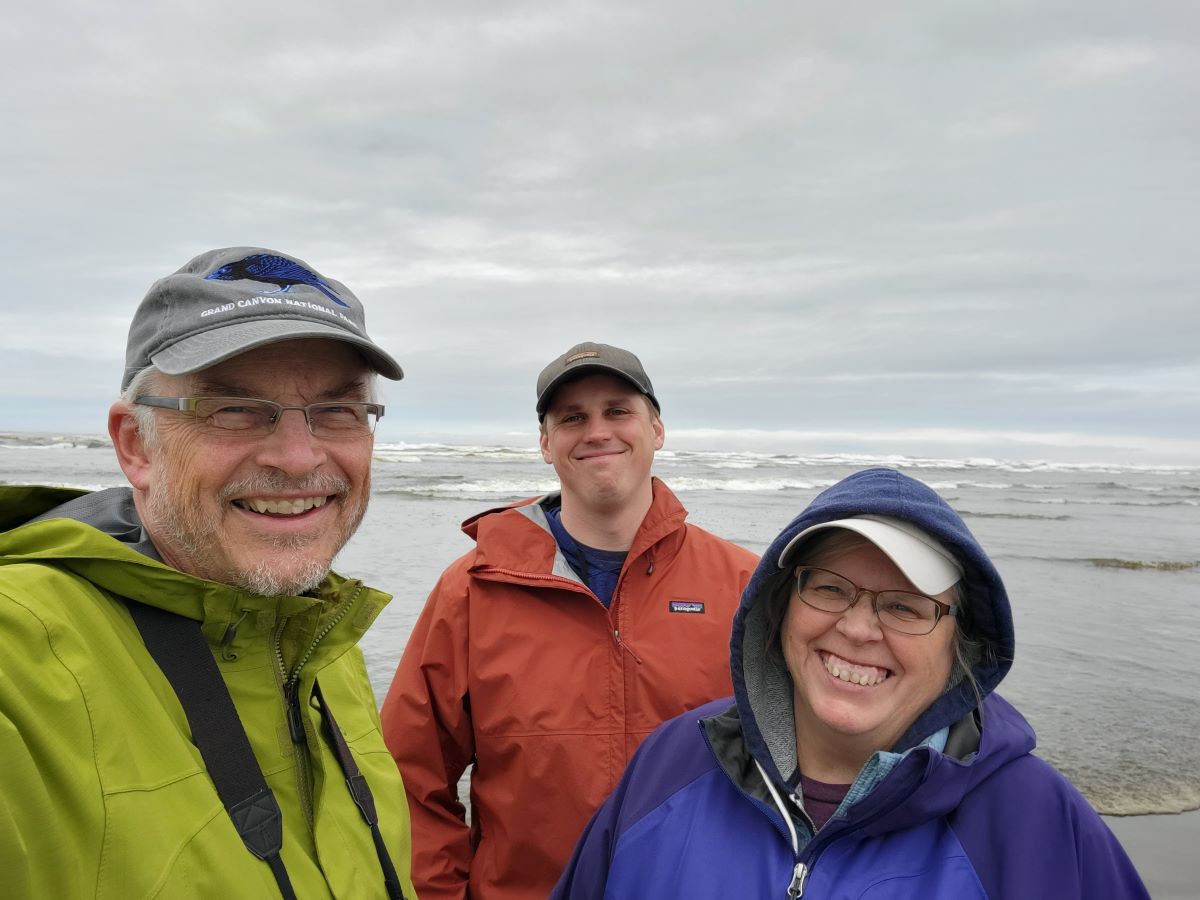
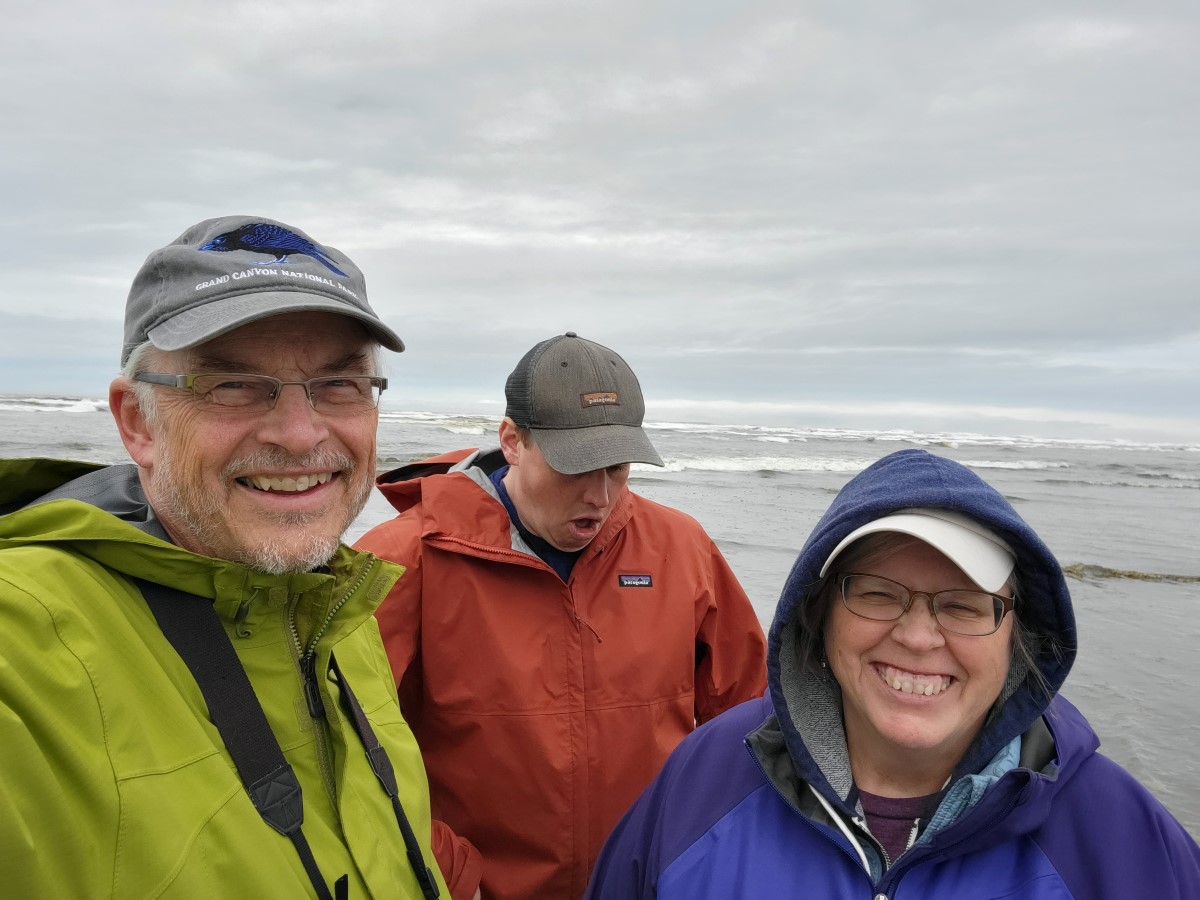
From Long Beach the campground it is a short walk to the beach allowing us to visit the shore many times for kite flying, observing clammers, walks by the sea and watching the waves. Making our stay more special is that we were joined by our son who lives in Seattle, for Mothers Day even. While taking a family selfie on the beach we were reminded – never turn your back on the ocean. Surprise!
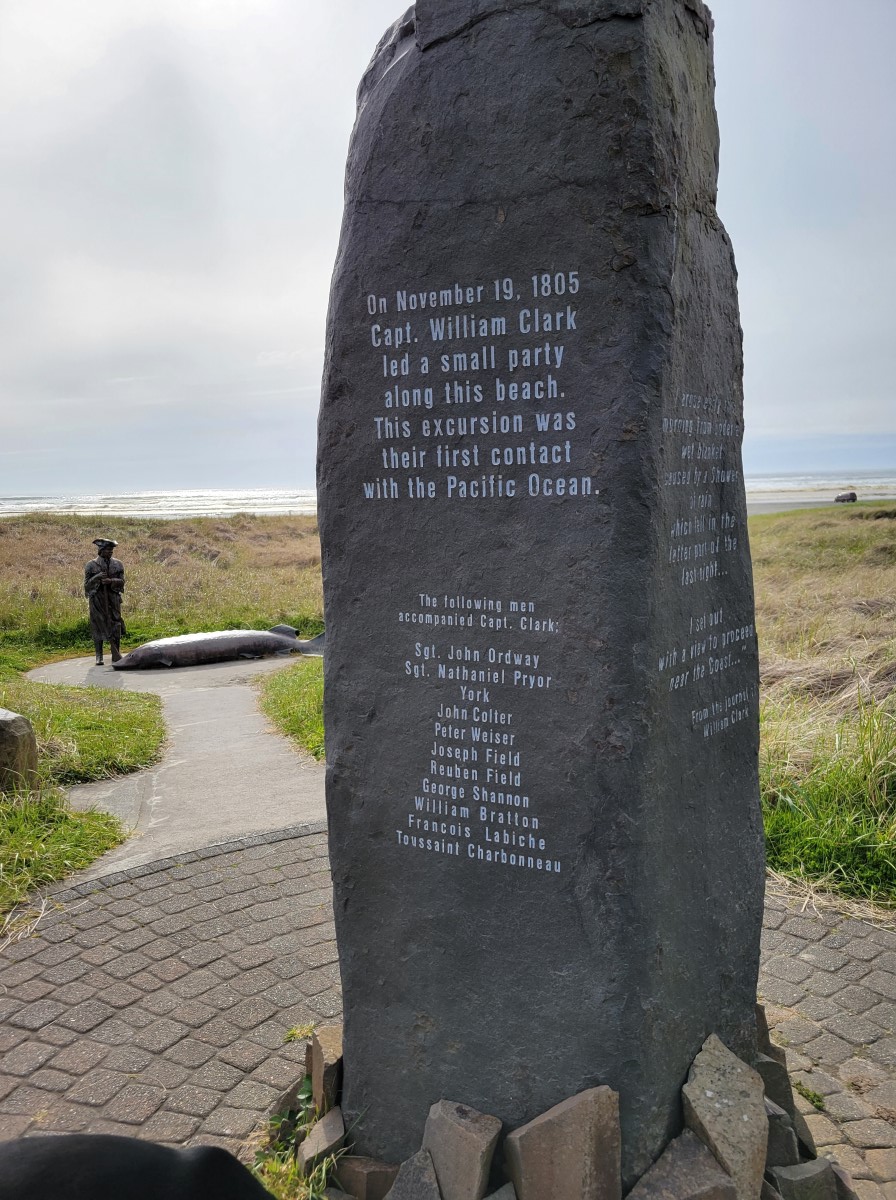
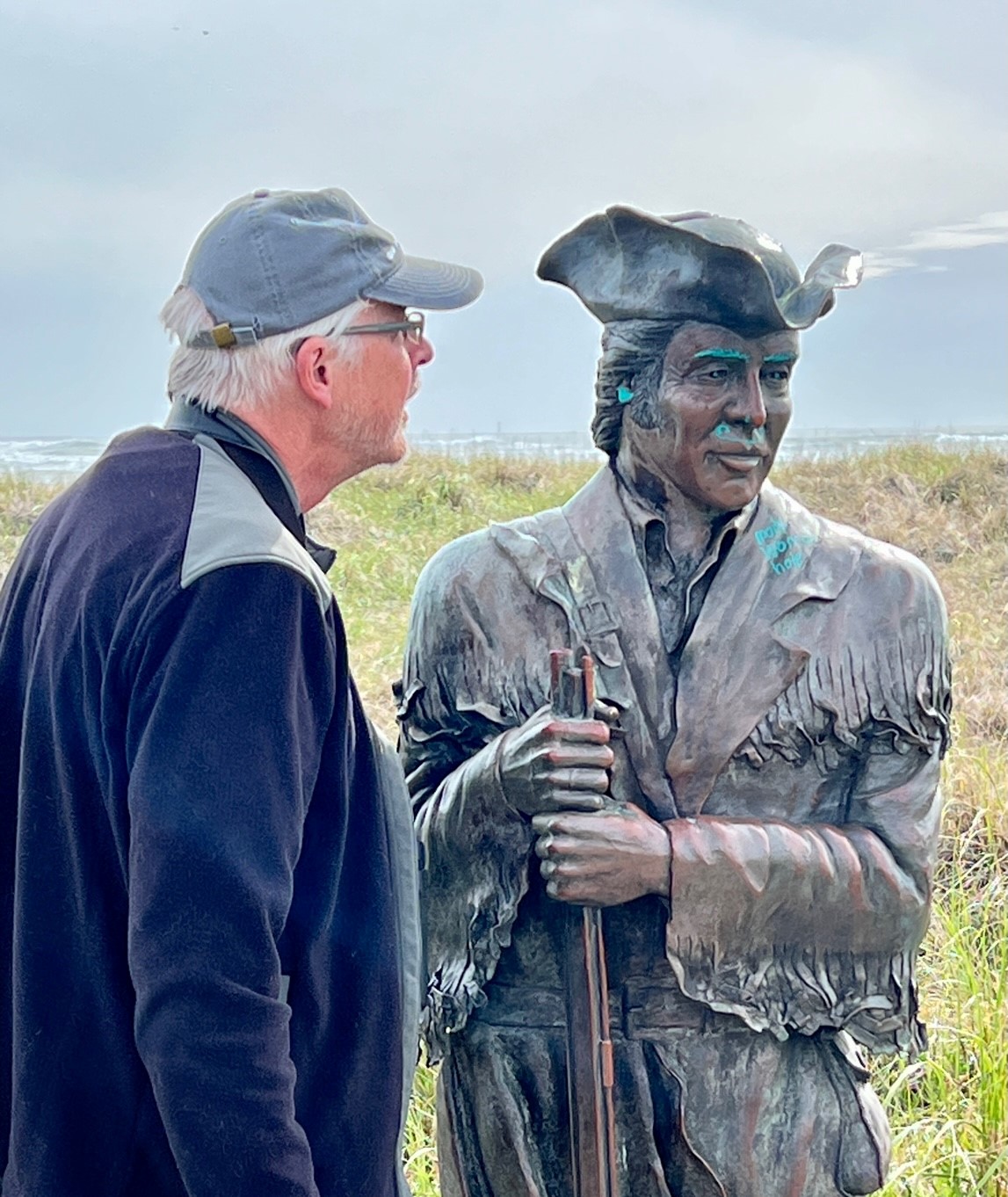


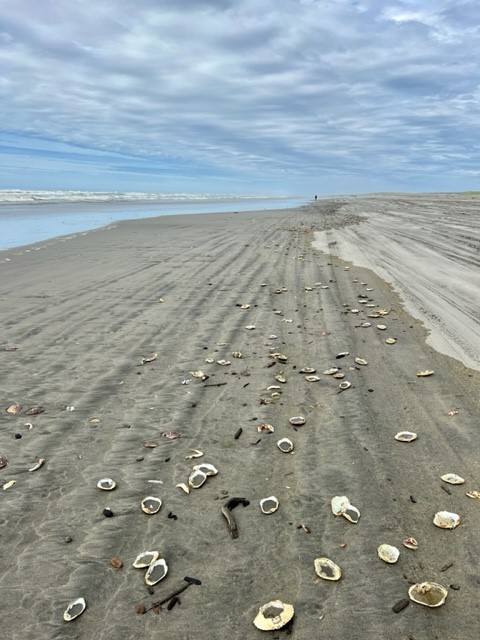
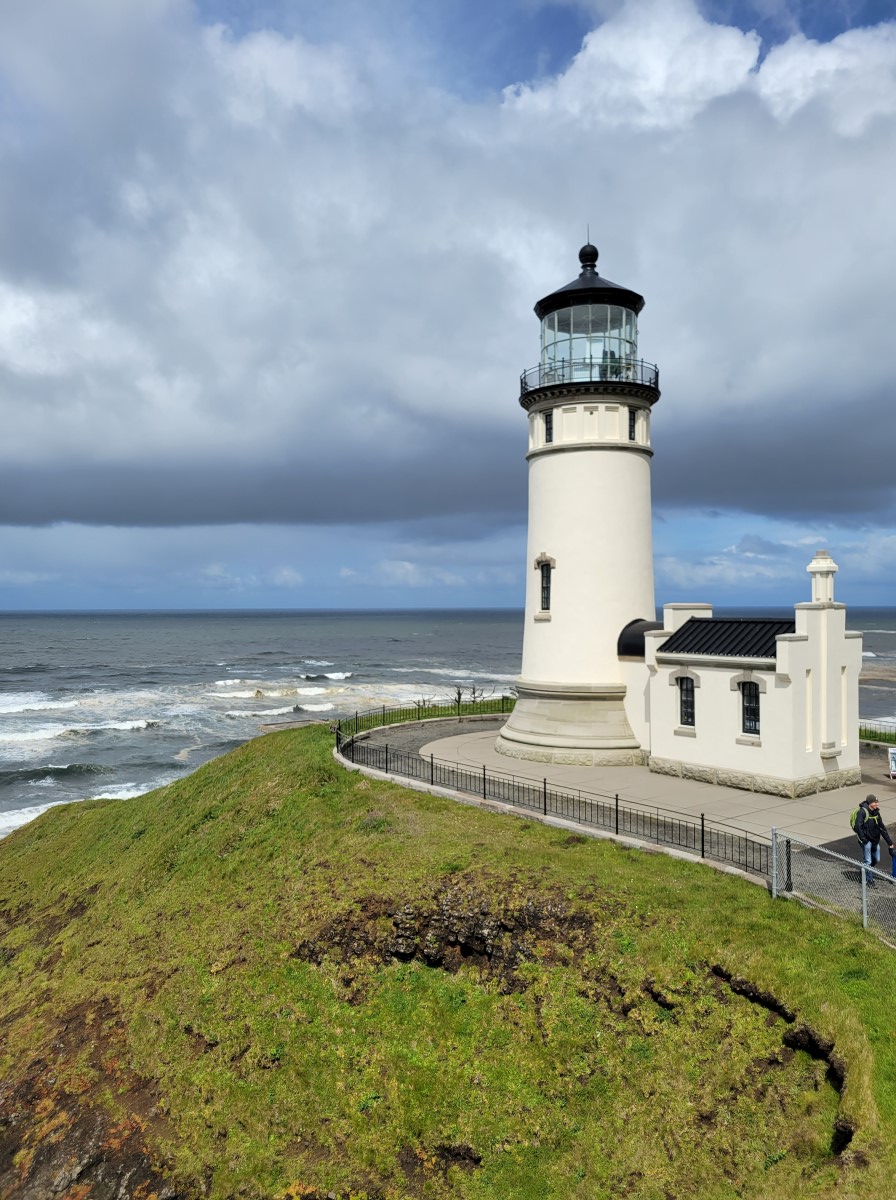
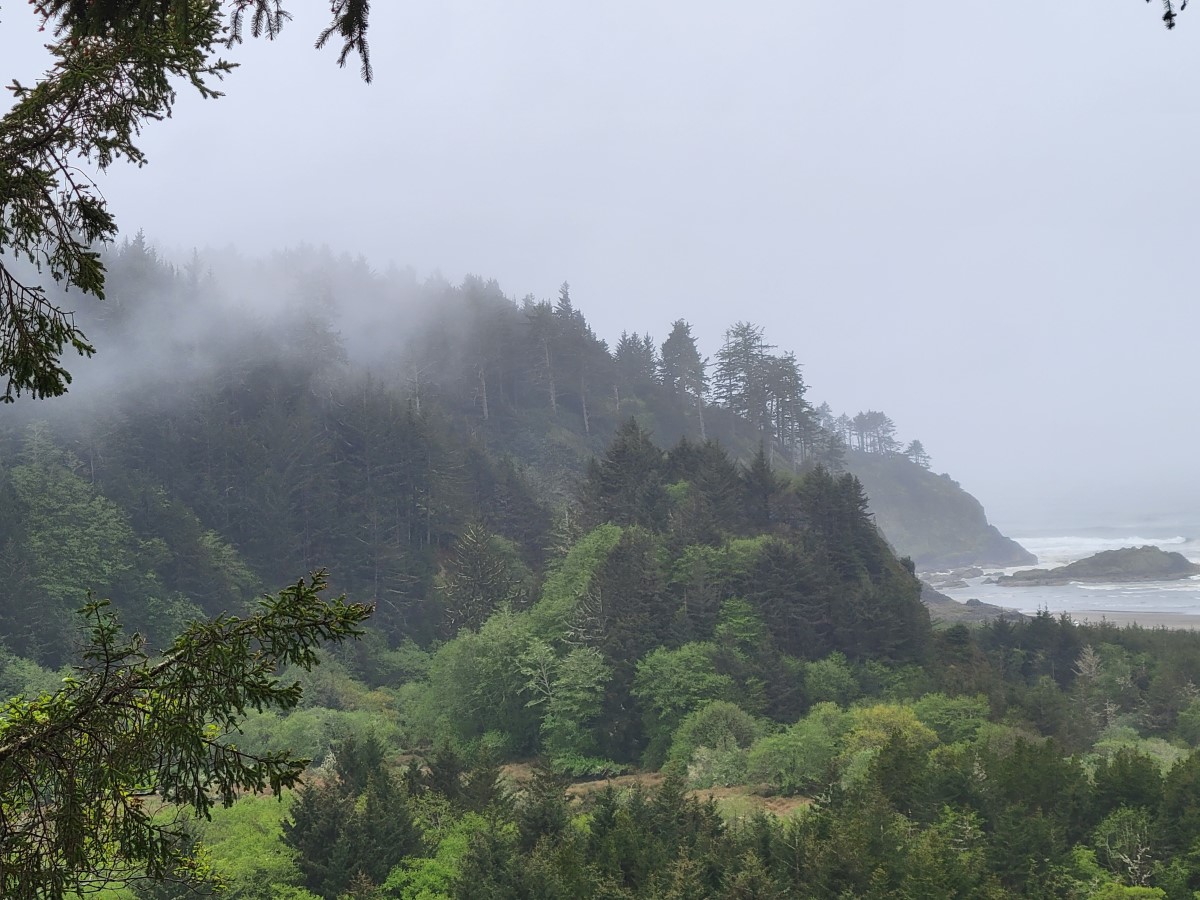
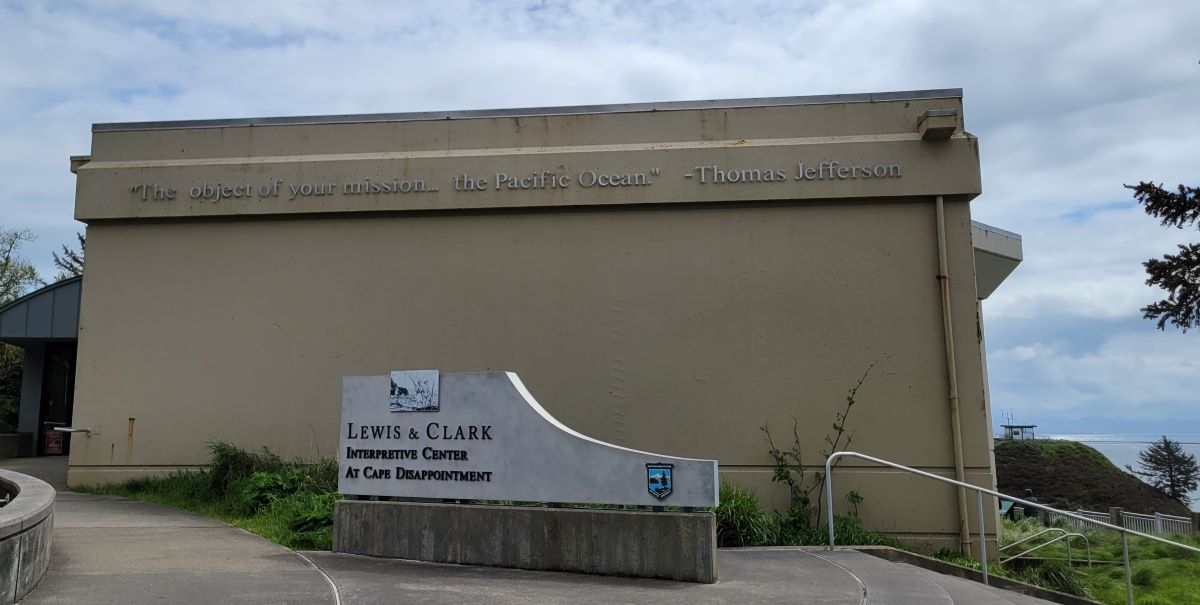
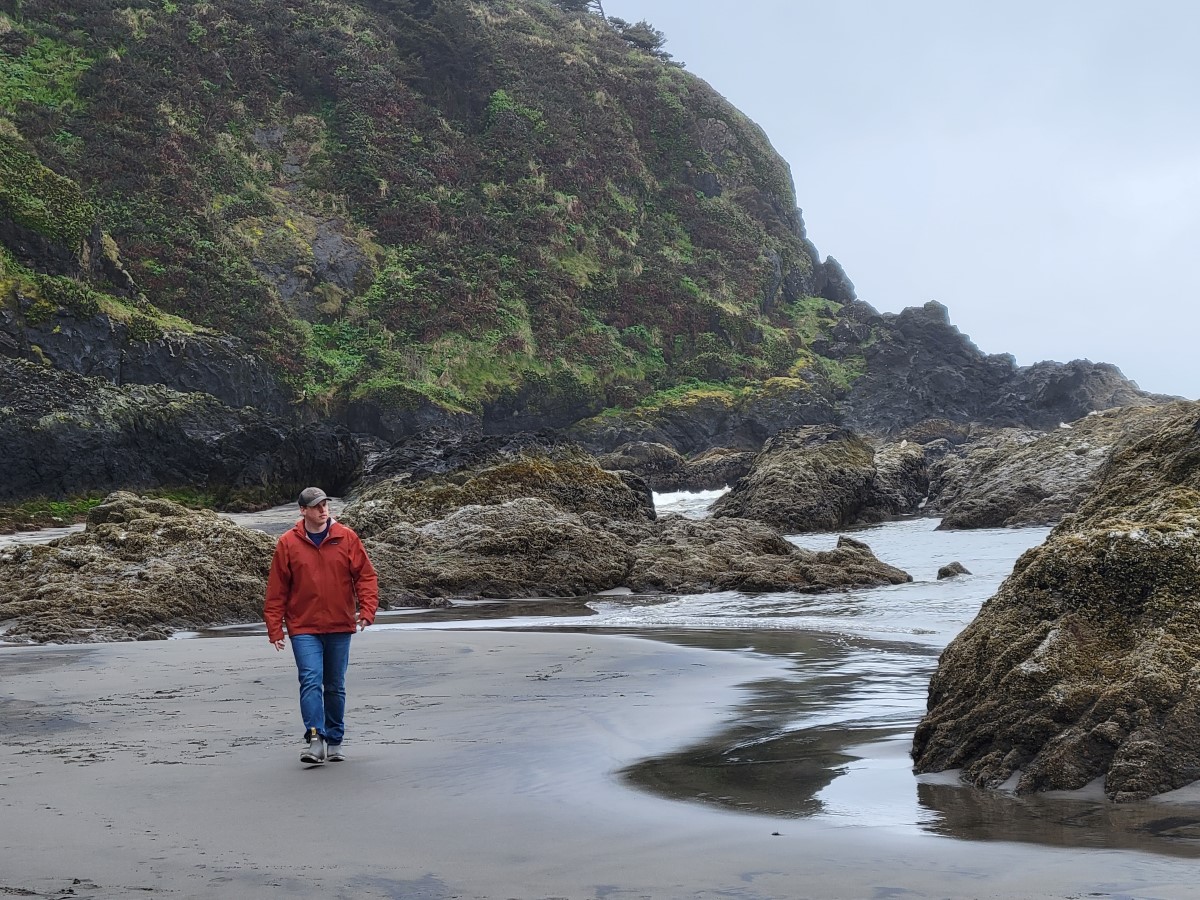
Just south of the campground is Cape Disappointment on the northern side of the mouth of Columbia. In addition to more fascinating beaches and incredible views from above it also features two lighthouses, military bunkers and the Lewis and Clark Interpretive Center.

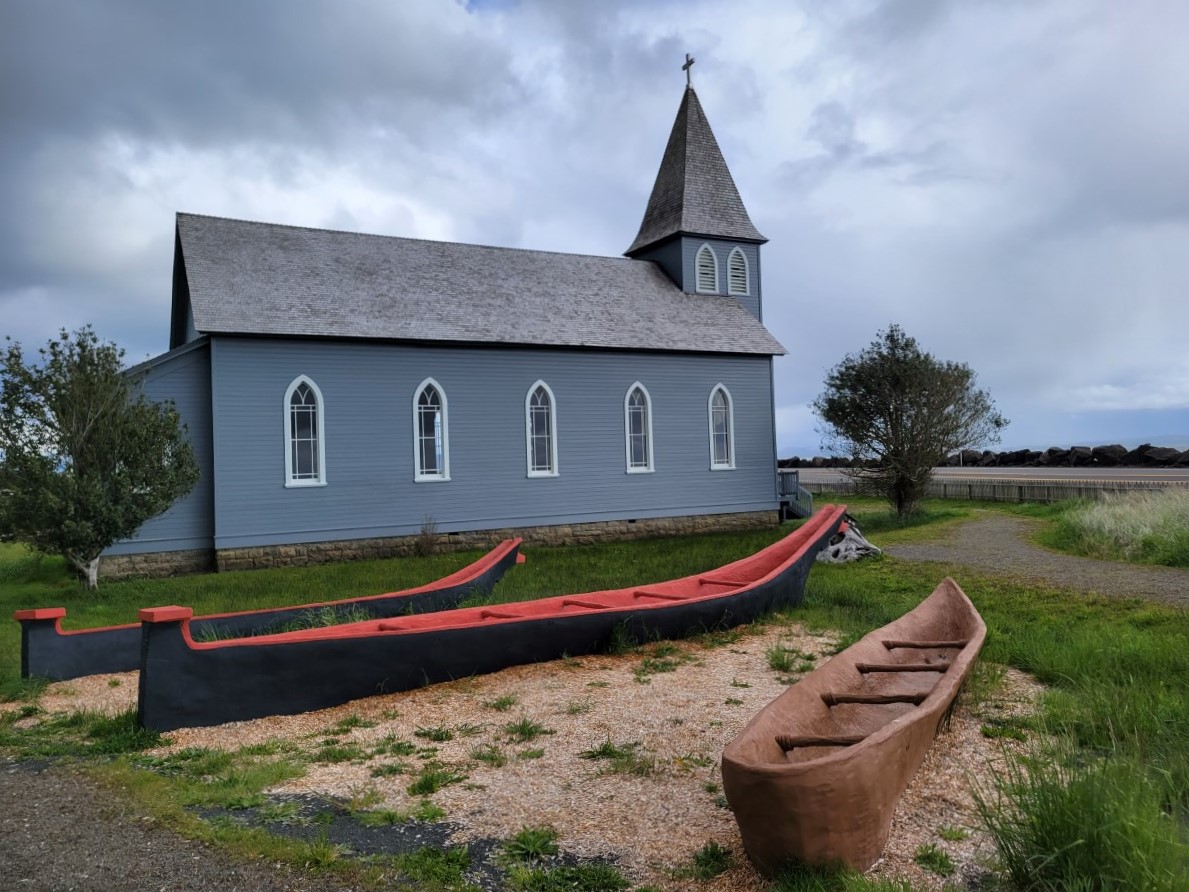
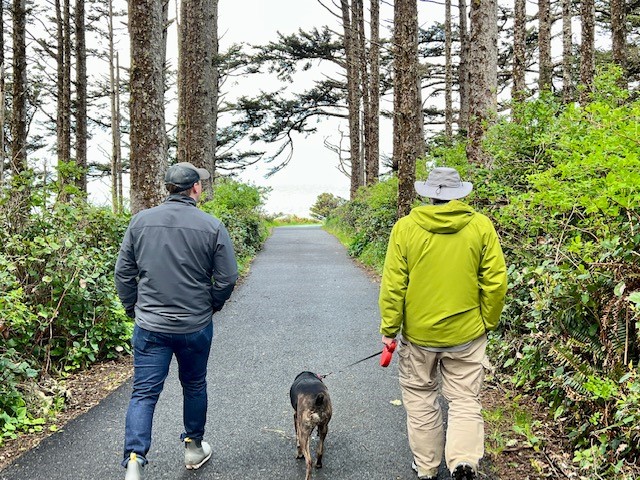
From Seaview, Washington (Long Beach) we had but 65 more miles on 101, passing the world’s largest oyster, before bidding farewell to the Pacific and turning inland. We look forward to our return to the Coast of C.O.W. whenever that may be.
 the Why in the Road
Loved reading about your adventures! Continue sharing and nextvtime your traveling the COW and reach the ‘W’ let’s connect.
LikeLike
It’s great to see and hear about your adventures—fun! Beautiful pictures!
LikeLike
Wow, what an adventure!!
Thanks for sharing
LikeLike
OK
LikeLike